


Choosing a Cat Fence System for Rescue Cats With Trauma Histories

Every year, millions of cats pass through American animal shelters. While many find loving forever homes, rescue cats often carry invisible scars from their past experiences. Stray life, abandonment, abuse, hoarding situations, and shelter stress create behavioral patterns that require understanding and patience to address. For adopters committed to providing safe outdoor access for rescue cats with trauma histories, choosing the right containment system requires special consideration.

Understanding Trauma in Rescue Cats
Trauma in cats manifests differently than in humans, but the neurological impact is similar. The feline brain stores traumatic experiences and triggers defensive responses when similar situations arise. Common signs of trauma in rescue cats include:
- Hypervigilance: Constant alertness to potential threats, inability to relax
- Exaggerated startle responses: Extreme reactions to sudden sounds or movements
- Escape behaviors: Bolting when frightened, regardless of safety
- Hiding: Spending excessive time in enclosed, dark spaces
- Defensive aggression: Hissing, scratching, or biting when feeling cornered
- Avoidance: Fear of new objects, people, or situations
- Freezing: Becoming motionless when overwhelmed
These behaviors had survival value during whatever difficult circumstances the cat endured. With patience and the right environment, many traumatized cats can heal and thrive.
Why Outdoor Access Benefits Traumatized Cats
While it might seem counterintuitive to give anxious cats access to the outdoors, properly managed outdoor time offers significant therapeutic benefits:
Environmental Enrichment
Outdoor environments provide complex sensory experiences that engage cats' natural instincts. The smells, sounds, textures, and movements of the outdoors redirect anxious energy into healthy exploration.
Control and Choice
Traumatized cats often struggle with feeling trapped or powerless. An expanded territory gives them more choices - where to go, where to hide, how to respond to stimuli. This sense of control is healing.
Physical Activity
Exercise is a proven stress reducer for all mammals. Outdoor access encourages movement that burns off nervous energy feeding anxiety.
Why Traditional Containment Methods Fail Traumatized Cats
Not all containment options suit rescue cats with trauma histories:
Cat Enclosures/Catios
- Cage-like structures can trigger shelter PTSD
- Limited space reinforces feelings of confinement
- Visible barriers create psychological stress
- No escape routes if cat feels threatened
Invisible/Electric Fences
- Electric shock triggers panic responses
- Punishment-based systems worsen existing trauma
- Cats associate yard boundaries with pain and fear
- Terrified cats may bolt through despite shock
Netting Systems
- Overhead barriers create trapped feelings
- Potential entanglement during panic
- Restricts natural climbing instincts
- Can collapse during escape attempts
Why Oscillot is Ideal for Rescue Cats
The Oscillot cat-proof fence system addresses the specific needs of traumatized cats:
No Visible Barriers
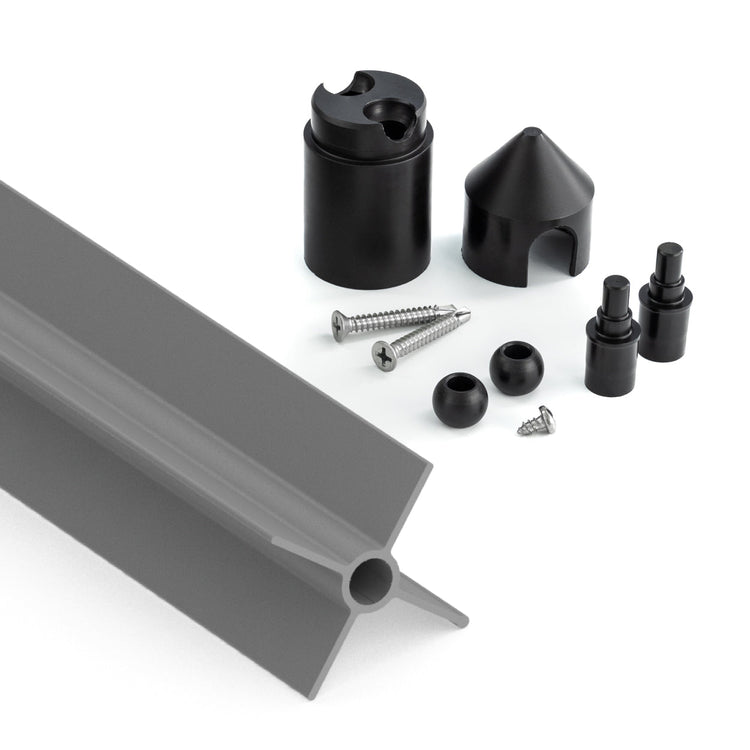
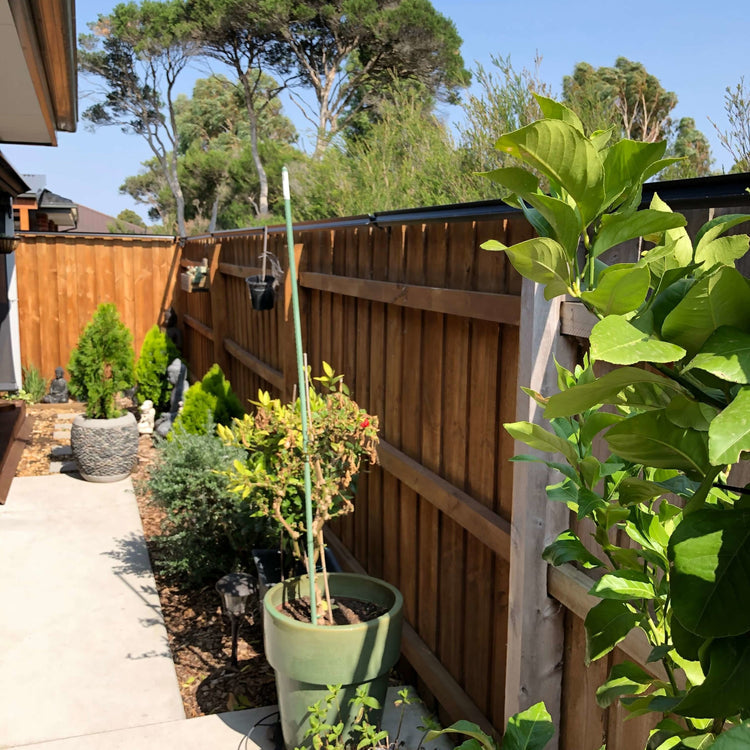
Oscillot paddles mount along existing fence tops without creating visible cages or enclosures. Cats can see beyond their territory, satisfying their need for environmental awareness without feeling trapped.
Non-Punishing Design
When a cat touches an Oscillot paddle, it simply spins. There's no electric shock, no loud alarm, no frightening experience. Cats learn boundaries through natural feedback rather than punishment - critical for animals who have experienced trauma.
Gentle Learning Curve
Most cats only need to experience the spinning paddle once or twice to understand the boundary. The learning experience is brief and non-traumatic, preserving the trust you've built with your rescue cat.
Preserves Escape Routes
With Oscillot, your entire yard becomes safe territory. Cats can run, hide behind bushes, climb accessible structures, and explore freely. This sense of having options reduces anxiety.

Product Selection for Rescue Cats
Color Selection
Traumatized cats are often suspicious of new objects. Choose colors that blend with your fence to minimize visual novelty:
- Natural wood fences: Banyan Brown or Rivergum
- Gray stained fences: Slate Grey or Gun Metal Grey
- White vinyl fences: White or Merino
- Neutral/beige fences: Tan or Koala
Material Selection
For rescue cats, the choice between vinyl and aluminum typically doesn't impact trauma response. Both materials spin smoothly and provide identical gentle feedback. Base your decision on:
- Budget considerations
- Climate and wind exposure
- Long-term durability preferences
Kit Sizing
Cat-proof fence kit pricing:
| Kit Size | Sale Price |
|---|---|
| 60 feet | $443 |
| 100 feet | $710 |
| 120 feet | $852 |
| 200 feet | $1,351 |
Use the fence calculator to determine your needs. Consider ordering slightly more than measured to ensure complete coverage.
Creating a Trauma-Informed Outdoor Space
Multiple Hiding Spots
Traumatized cats need places to retreat when overwhelmed:
- Dense shrub plantings (cat-safe varieties)
- Outdoor cat houses with multiple entrances
- Covered spaces under decks or structures
- Hollow logs or garden features
Elevated Safe Zones
Heights provide psychological safety for anxious cats:
- Outdoor cat trees (away from fence lines)
- Wall-mounted shelves below Oscillot line
- Sturdy branches at accessible heights
Visual Buffers
Create visual separation between fence lines and main yard areas using shrubs, ornamental grasses, or flower beds.
Slow Introduction Protocol for Traumatized Cats
Standard introduction protocols should be modified for rescue cats. Here's a trauma-informed approach:
Phase 1: Passive Familiarity (Weeks 1-2)
- Complete installation while cat is safely indoors
- Wipe paddles with cloth containing cat's scent (rub cloth on cat's cheeks, then paddles)
- Allow cat to observe yard through windows
- Let cat smell your hands after touching the system
Phase 2: Voluntary Exploration (Weeks 3-4)
- Open door to yard but never force cat outside
- Let cat choose when/if to explore
- Stay nearby but don't hover
- Keep initial sessions to 10-15 minutes
- End sessions before any stress signs appear
Phase 3: Building Confidence (Week 5+)
- Gradually increase session length
- Monitor from indoors without being visible
- Watch for comfort behaviors (rolling, relaxed posture, play)
- Maintain immediate indoor access at all times
Critical: Never Force
If your rescue cat shows reluctance at any stage, step back. Pushing a traumatized cat past their comfort zone damages trust and can set rehabilitation back significantly.
Alternatives to Standard Introduction
The typical Oscillot introduction (lifting cat to paddle) may be too intense for severely traumatized cats. Alternatives:
Natural Discovery
Allow cat to discover the boundary on their own terms. Most cats will investigate fences naturally and experience the spinning paddle without human involvement.
Demonstration Without Contact
While cat watches from a distance, spin paddles by hand. This shows how the system works without forced interaction.
Food Motivation
Place high-value treats progressively closer to (but not at) fence line. Natural curiosity eventually leads to fence investigation.
Signs of Successful Adaptation
Watch for these positive indicators:
- Relaxed outdoor time: Lounging, rolling, or grooming outside
- Play behavior: Chasing insects, stalking leaves, engaging with toys
- Appropriate boundary awareness: Knows fence limits without fear
- Confident exploration: Moves freely throughout yard
- Voluntary return indoors: Chooses when to come inside
- Decreased indoor anxiety: Overall calmer behavior
Oscillot's Shelter Partnerships
Oscillot America is committed to animal welfare, offering exclusive discounts and partnerships to animal shelters and rescue organizations. Over 100 shelter installations have been completed. Veterans also qualify for special pricing.
If you adopted your rescue cat from a shelter, ask about referral programs that might provide discounts. Contact Oscillot to learn more about these programs.
Investment in Healing
Typical costs for a secure outdoor space for rescue cats:
| Component | Price |
|---|---|
| Cat-Proof Fence Kit (60-100') | $443-$710 |
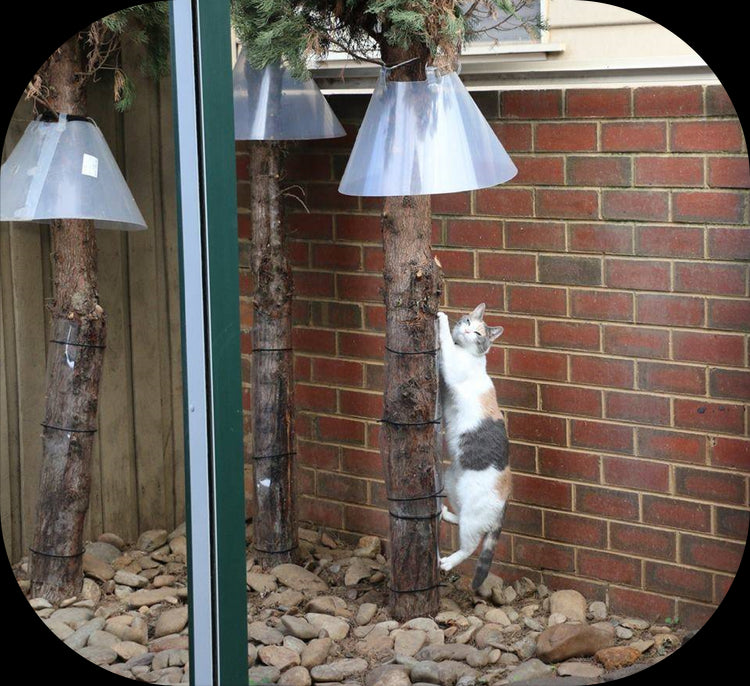
| Tree Guards (if needed) | $29.99 each |
| Additional Brackets | $3.00 each |
All purchases include 3-year manufacturer's warranty and 60-day money-back guarantee. Free shipping on orders over $700.
A Second Chance at Life
Every rescue cat deserves the opportunity to experience the joys of outdoor life safely. With patience, proper equipment, and a trauma-informed approach, you can help your rescue cat discover that the world doesn't have to be a frightening place.
More than 19,000 cat owners worldwide trust Oscillot to keep their companions safe - including countless rescue cats getting their second chance at a happy life. The system is endorsed by Nature Canada, Animal Welfare League of Australia, and other major animal welfare organizations.
Visit OscillotAmerica.com to explore your options and give your rescue cat the secure outdoor space they deserve.


