


Spring Energy Burst: How To Give Your Cat Safe, Exciting Outdoor Play Without Letting Them Roam

Indoor cats live about 15–17 years on average, while outdoor-access cats average only 2–5 years, so channeling that spring energy burst into safe, contained outdoor play is not just fun, it is a health decision. In spring our cats wake up with more curiosity, more zoomies, and stronger urges to explore, and our job is to give them fresh air and stimulation without exposing them to traffic, predators, and other outdoor risks.
Key Takeaways
| Question | Answer |
|---|---|
| How much outdoor play does my cat really need in spring? | Most adult cats benefit from about 30 minutes of play per day in several short sessions, so we suggest using a contained yard or cat-proof fence like the kits in our cat-proof fence kit collection to make those spring sessions safe. |
| Is it safe to let my cat roam freely in spring? | Free roaming shortens lifespan significantly, which is why we focus on secure solutions such as our cat-proofing your fence guide instead of open roaming. |
| What if I only have a small patio or narrow yard? | Even short runs of fencing can become a safe play zone by adding a compact kit like the 4' Cat-Proof Fence Kit (DIY), which is designed for smaller perimeters and side yards. |
| How do I plan a secure outdoor space if my cat is recovering from an injury? | We recommend a quiet, fully enclosed area, and our article on healing spaces & secure outdoor access explains how fence kits and tree guards help recovering cats enjoy gentle spring sunshine safely. |
| How do I know how much fencing I need for a spring-ready cat yard? | Measure your existing fence line and use our cat fence calculator to match your measurements to the right kit length for a secure perimeter. |
| Can I see examples of finished cat-safe yards before I decide? | Yes, our customer gallery shows real backyards and patios that use cat-proof fence kits to give energetic spring cats safe access to the outdoors. |
1. Why Spring Triggers Energy Bursts In Cats
As days get longer and temperatures rise, many cats shift from winter snoozing into short, intense activity bursts. Spring active behaviors account for about 2.47 percent of a cat's daily time, more than in summer, which explains why you suddenly see more zoomies and door-dashing.
At the same time, spring lying time reaches nearly 60 percent of the day, so cats pair those bursts with long naps in warm spots. Our goal is to respect that rest-play rhythm and give them safe outdoor windows that match their natural cycles instead of uncontrolled roaming.
Spring Behaviour Patterns You Can Use
We see three key behavior patterns in spring that shape how we design outdoor play. Cats show more curiosity, more climbing attempts, and stronger hunting play, especially at dawn and dusk.
Containment systems like ours exist because those same patterns also drive escape attempts. If you notice your cat sitting by the window and staring at birds, that is your cue to plan a structured, supervised outdoor session inside a secured yard.
Images: Spring-Ready Fence Components For Curious Cats


2. Indoor Vs Outdoor: Balancing Spring Fun With Safety
We all enjoy seeing our cats roll in fresh grass and sniff the spring air, but we also know that free roaming exposes them to cars, toxins, parasites, and wildlife conflicts. That is why we focus on secure outdoor access that keeps the health benefits of an indoor life while still giving a taste of the outside world.
Enclosed yards with cat-proofed fencing, catios, or small recovery gardens let you schedule daily outdoor play while controlling where your cat can go. You give them real grass under their paws, but your perimeter and gates decide the limits, not your cat's climbing skills.
Comparing Spring Outdoor Access Options
| Option | Pros For Spring Energy | Key Safety Limits |
|---|---|---|
| Free roaming | Maximum exploration and stimulation | Shorter lifespan, traffic, predators, disease risks |
| Harness walks | Good for short, focused energy bursts | Training required, not all cats accept harnesses |
| Cat-proofed yard | Free movement in a defined area, natural play | Requires a secure existing fence and installation work |
Images: Yard-Scale Containment For Spring Explorers


3. Planning A Safe Spring Play Zone In Your Yard
Before you let your cat out for the first spring session, walk your fence line and look for climbable points such as trees, shed roofs, or low spots. Any location your cat can use as a launch point to the top of the fence should be addressed in your plan.
We encourage you to sketch your yard, mark fence lengths, and note special features like gates or corners. That layout will guide which cat-proof fence kits you choose and where you may also need tree guards or post kits.
Using Different Kit Lengths To Match Your Space
Because every yard is different, we provide kits that range from small 4 foot runs up to very long 200 foot perimeters. That flexibility lets you secure one side yard for quick sessions or an entire property for daily outdoor access.
As a rule of thumb, smaller homes and townhouses often start with 4 to 20 foot kits, while detached homes with full backyards usually need 40 feet or more. Very large properties can build continuous spring-ready cat runs with 100, 120, or even 200 foot systems.
Images: Component Detail For Reliable Spring Containment
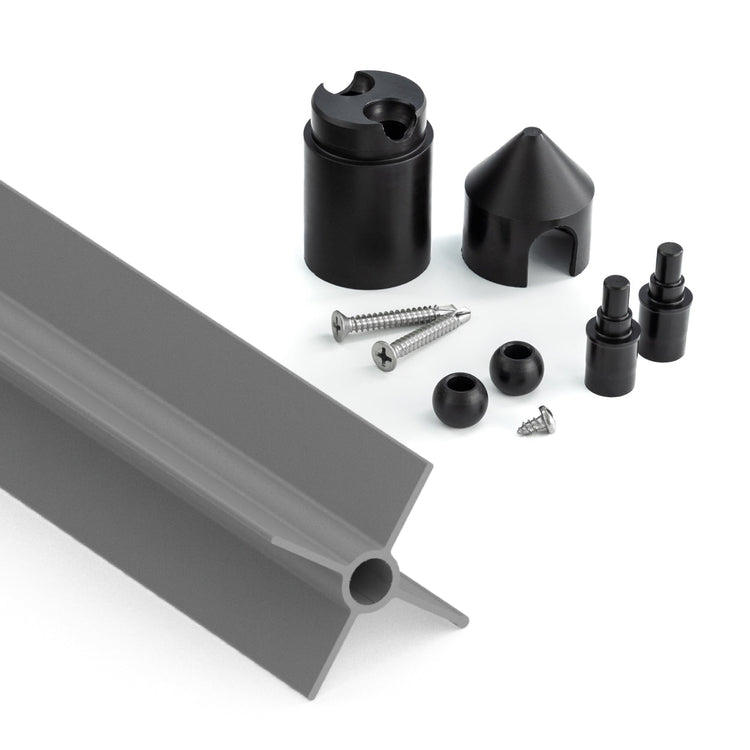
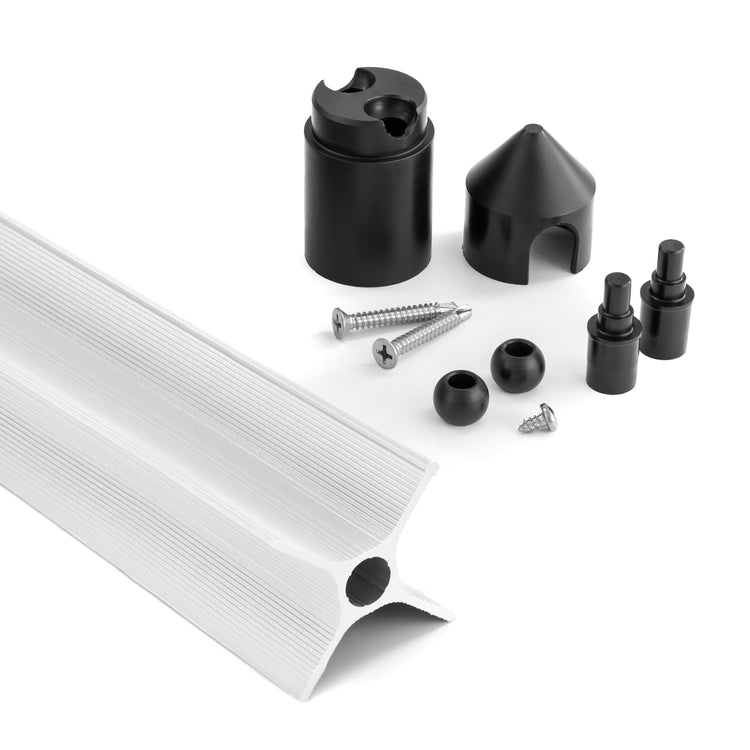
This infographic highlights three safe, energizing benefits of spring outdoor play for energetic cats. It offers practical ideas to get started.
4. Choosing The Right Cat-Proof Fence Kit For Spring Play
Once you know your fence length, you can match it to a specific kit size so that your cat cannot use the spring energy burst to scale your perimeter. Our 4 foot to 200 foot range lets you pick a kit that closely fits your measurements without excess or shortage.
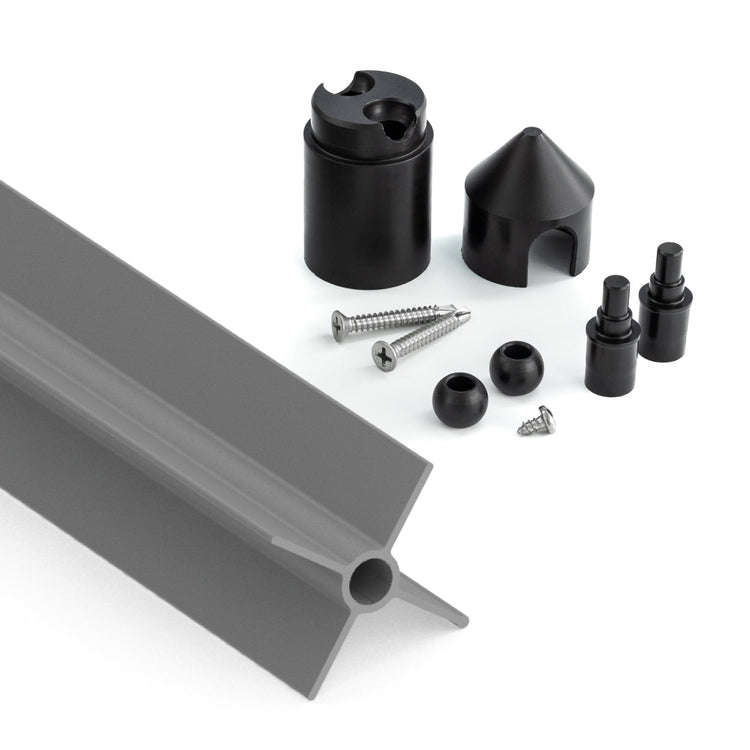
Every kit includes the same core idea, a mounted spinning paddle system that prevents a cat from getting a grip at the top of the fence, but the number of paddles and brackets changes with length. Below is an overview of how different kit sizes fit common spring play setups.
Kit Size Overview For Typical Yards
| Kit | Ideal Use |
|---|---|
| 4' Cat-Proof Fence Kit (DIY) | Short side runs, balcony edges, or small patio sections for quick spring outings |
| 40' Cat-Proof Fence Kit (DIY) | Typical suburban backyards where your cat spends most spring evenings |
| 100' Cat-Proof Fence Kit (DIY) | Large wraps around a home or long rear fence lines for daily play windows |
Images: Mid And Large Kits For Active Spring Cats


5. Installation Basics: Getting Your Yard Ready Before The First Warm Day
Installing a cat-proof fence kit before your cat's spring energy peaks makes the transition outside smoother and safer. We recommend planning your project on a dry weekend, since rainfall decreases grooming and scratching but can also make surfaces slippery during installation.
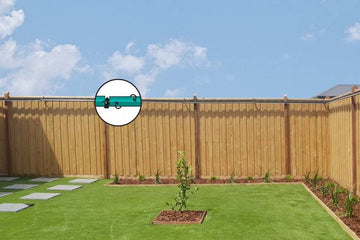
You attach the brackets to the top of your existing fence, clip the paddle sections into place, and ensure there are no gaps at corners or gates. Once installed, the smooth rotating paddles respond to your cat's weight by spinning, so they cannot gain traction and vault over.
Simple Spring Installation Tips
- Work in sections so your fence line stays organized and you can test each part.
- Pay extra attention to corners, which are favorite launch points during zoomies.
- Test the paddle spin by pressing with your hand before you allow your cat outside.
Images: System Layout For Spring-Ready Fences
6. Structuring Spring Play Sessions Around Your Cat’s Rhythm
Spring sitting time is the lowest of the year at about 12 percent of the day, which means this season favors active engagement instead of passive window watching. We suggest breaking the recommended 30 minutes of daily play into three to five short yard sessions that match your cat's bursts.
Good windows are often early morning, late afternoon, and early evening when temperatures are mild and birds are active. In each window you can pair free exploration with a few minutes of interactive play, then let your cat choose when to lie and sunbathe.
Sample Spring Outdoor Play Schedule
- Morning: 5 to 10 minutes of supervised yard time and wand toy play.
- Afternoon: Quick sniff-and-explore break in the shade, then back inside for a nap.
- Evening: 10 to 15 minutes of chasing games, climbing low structures, and bird watching.
Images: Cats At Rest And At Play In Spring

7. Keeping Recovering Or Senior Cats Safe During Spring
Not every cat can handle full-throttle spring activity, especially if they are recovering from surgery or are older. For these cats we focus on smaller, calmer healing spaces that still offer sun, grass, and fresh smells inside a fully secured perimeter.
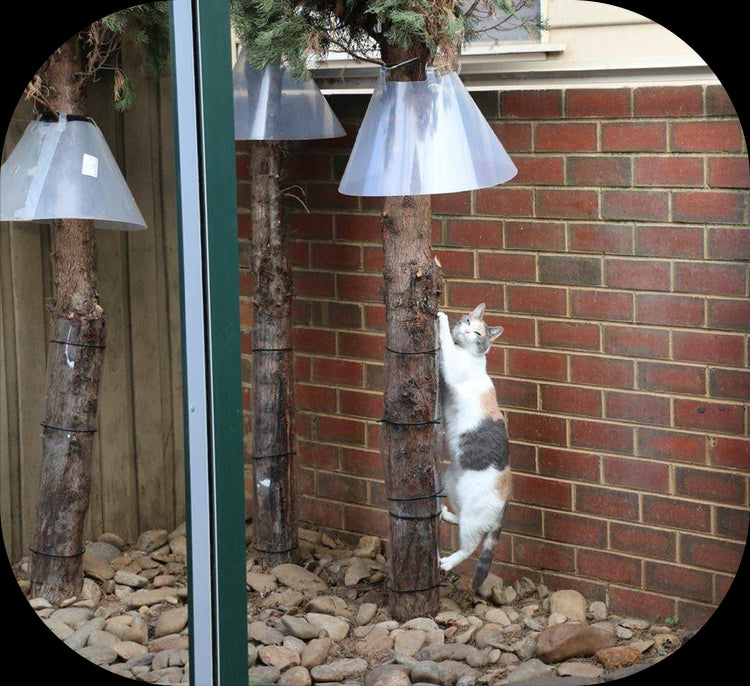
We often recommend shorter fence runs paired with tree guards and careful supervision. That way a recovering cat can enjoy a gentle spring breeze without the risk of climbing, jumping, or meeting neighborhood animals.
Healing Spaces And Gentle Outdoor Time
Our work on healing spaces for recovering cats shows how powerful a modest secure garden can be. Even a 16 or 20 foot section of yard, reliably enclosed, can give a convalescing cat a meaningful change of scenery.
If your cat is under vet restrictions, discuss how much outdoor time is appropriate before starting, and keep sessions short and calm. You can provide enrichment through scent trails, safe plants, and low hiding spots instead of fast games.
Images: Recovery-Friendly Fence Kits And Tree Protection

8. Spring Weather, Surfaces, And Safety Checks
Spring weather can change quickly, and rainfall significantly reduces grooming and scratching behavior in cats. That is a useful reminder to provide both sunny and sheltered spots in your yard so your cat can choose comfort while staying within your secure fence.
Before each outdoor session we suggest a quick safety check of gates, latches, and any objects near the fence that your cat might climb. Wet surfaces can alter how your cat moves, so remove slippery ramps or stacked items that could raise their launch height.
Seasonal Adjustments For Your Cat-Proof Yard
- Trim branches and shrubs near the fence that might grow into spring climbing aids.
- Check hardware for any movement after winter freeze-thaw cycles.
- Add shade cloth or small shelters for hot midday sun on bright spring days.
Images: Secure Perimeters For Unpredictable Spring Days


9. Enriching Your Spring Yard: More Than Just A Fence
A secure fence line is the foundation, but a spring energy burst really shines when your yard also offers variety. We encourage you to add low climbing structures, scratching posts, and safe plants so your cat can stalk, chase, and rest in different zones.
A simple rotation of toys and hiding treats in puzzle feeders around the yard keeps each session interesting. Because spring eating time is the highest of the year at a little over 11 percent of daily time, you can use small food rewards strategically without overfeeding.
Ideas To Turn A Secured Yard Into A Spring Playground
- Place a sturdy bench or low platform away from the fence for climbing and viewing.
- Add a weatherproof scratching post in a dry corner to redirect clawing from fence posts.
- Plant cat-safe herbs in pots so your cat can sniff and nibble during slow moments.
Images: Parts And Components That Support Enriched Spaces

10. Coordinating Cat And Dog Safety In Shared Spring Yards
Many families share their yards between cats and dogs, which makes spring particularly lively. In these cases we want both species to enjoy the space without the cat slipping over the fence or the dog charging at the boundary.
We approach this with parallel containment, using cat-proof fence kits to keep cats inside and compatible dog or coyote-focused systems where needed to manage canine movement. That way both animals can burn energy at the same time while remaining secure.
Images: Dog-Focused Systems That Complement Cat Safety


11. Making Spring Outdoor Play A Long-Term Routine
Spring is often where outdoor routines start, but the real value comes when those routines become a steady part of your cat's life. By investing in a secure perimeter once, you set up years of predictable daily outdoor sessions that follow the seasons.
We advise building consistency, using similar time windows and rituals so your cat knows when to expect yard time. That predictability can reduce door darting and vocal demands because your cat trusts that more outdoor moments are coming.
Review And Adjust As Your Cat Ages
As your cat moves from kitten to adult to senior, adjust the length and intensity of spring play without changing the safety basics. Younger cats may sprint and climb more, while older cats might prefer warm resting spots and shorter chases.
Your fence system stays the same, but the way you use the yard evolves with your cat's needs. This approach keeps risk low while still honoring the spring energy that appears every year.
Images: High-Capacity Kits For Lifelong Outdoor Routines

Conclusion
Spring brings a real energy burst for many cats, and our responsibility is to turn that seasonal enthusiasm into safe, contained outdoor play instead of risky roaming. With a thoughtfully chosen cat-proof fence kit, a few simple yard adjustments, and short, regular play windows, you can give your cat grass under their paws, sun on their fur, and enrichment that fits their natural rhythms.
By planning now, measuring your fence, and choosing the right kit length for your yard, you create a secure perimeter that supports healthy spring exploration year after year. Your cat gets the joy of the season, and you get the peace of mind that they are protected every time they race outside to greet the first warm breeze.


