

TikTok Next 2026: How A Niche, Community-Driven Pet Containment Wave Is Rewriting Pet Safety In The U.S

TikTok is expected to reach around 1.2 billion users with roughly 70% from Gen Z by 2026, and that sheer scale is already turning tight-knit pet containment communities into some of the most influential voices in U.S. pet care. As this niche grows, we see creators using real yards, real cats and dogs, and real hardware to show how safe containment can protect pets and wildlife without cages or harsh methods.
Key Takeaways
| Question | Answer |
|---|---|
| What is the “pet containment content wave” on TikTok Next 2026? | It is a fast-growing niche where U.S. creators share backyard setups, fence upgrades, and humane containment ideas, often using hardware such as cat-proof fence rollers and coyote-proof kits that keep pets safe while preserving yard aesthetics. |
| Why does community matter so much for this niche? | Gen Z and younger homeowners turn to TikTok for real-world proof and advice, and they trust videos from neighbors, rescues, and small creators who show how systems work in actual American yards and climates. |
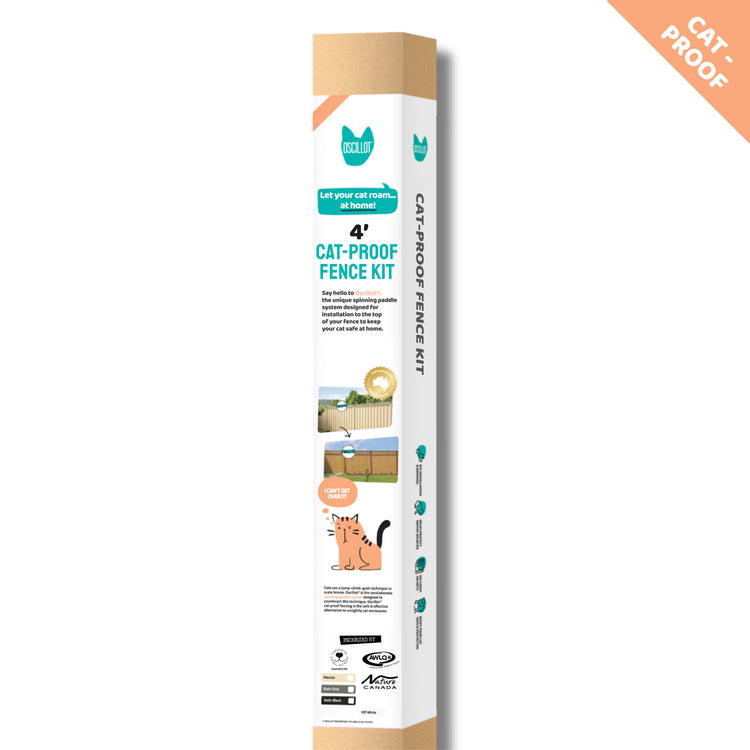
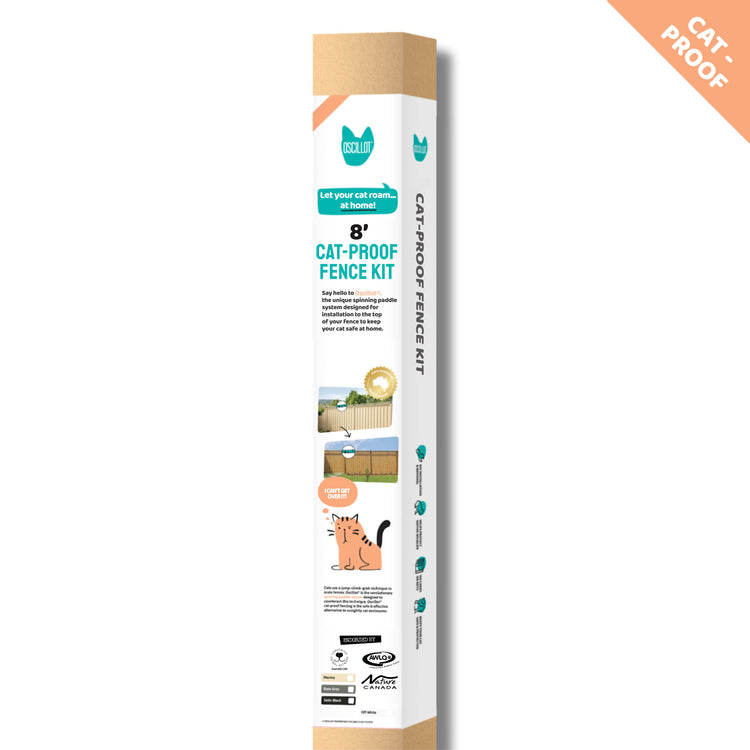
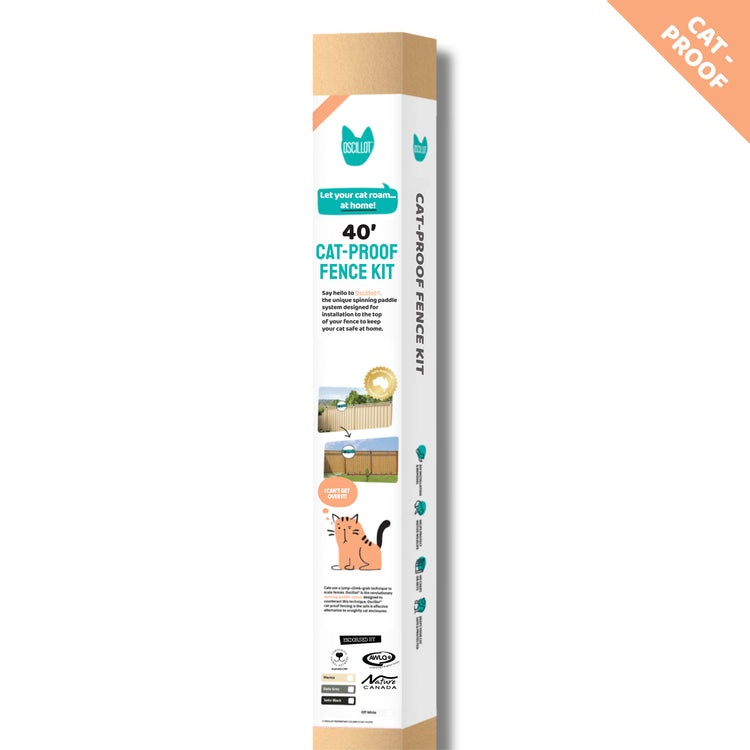
| Which products appear most often in U.S. containment tutorials? | DIY fence kits with spinning paddles, like the cat-proof fence rollers in the cat-proof fence kits collection, are frequently highlighted because they avoid cages, nets, and electric currents. |
| How are creators helping viewers size and plan their systems? | Many videos now reference measurement and planning tools similar to the guidance in How to Measure Your Yard, walking viewers step by step through perimeter measurements and tricky fence lines. |
| Do U.S. TikTok viewers want purely serious safety content? | No, over 80% of TikTok users seek entertaining content, so successful containment creators mix humor, quick tips, and honest “fails” while still pointing to solid references such as the Oscillot Installation Guide. |
| Where can viewers see real-world results from containment systems? | Many brands now feature TikTok-style before-and-after visuals similar in spirit to the projects highlighted in the Oscillot Gallery, helping U.S. pet owners picture these solutions in their own yards. |
| How should American pet parents start if TikTok inspires them to contain their pets? | Most creators recommend starting with education about what the system is, using resources like What is Oscillot, then reaching out via channels such as Contact Us if they have yard-specific questions. |
1. Why TikTok Next 2026 Is Perfect For A Pet Containment Content Wave
The U.S. has millions of indoor-outdoor cats and active dogs, and more owners are worried about cars, coyotes, and neighbor complaints than ever before. At the same time, TikTok has become Gen Z’s top channel for product discovery, which means practical containment solutions are finding the exact audience that wants them.
We expect TikTok Next 2026 to highlight even more “everyday expert” creators who document how they keep pets in their yards without turning the space into a prison. That shift favors humane systems that protect both pets and wildlife, such as spinning-paddle fence toppers that keep cats in, instead of shock collars or invisible fences.
U.S. viewers do not just want polished commercials. They want to see a Maine Coon pacing along a fence in Colorado, or a rescue dog in Texas testing a new barrier, and then see how the system handles that real behavior in real time.
That authentic testing, recorded on phones and shared in short clips, is exactly why a community-driven wave around pet containment feels inevitable as TikTok continues to mature.
2. The Rise Of Backyard “Containment Creators” Across The United States
On TikTok Next 2026, the most trusted voices in this niche will not be big-box brands. They will be backyard creators showing how they keep cats from hopping fences in Arizona or keep dogs from jumping walls in California suburbs.
These creators are already building content series such as “Containment Check Saturday” or “Will My Cat Escape This Week,” where they test new angles, close gaps, and share updates after windstorms or snow. Viewers follow along because they see the same problems in their own yards.
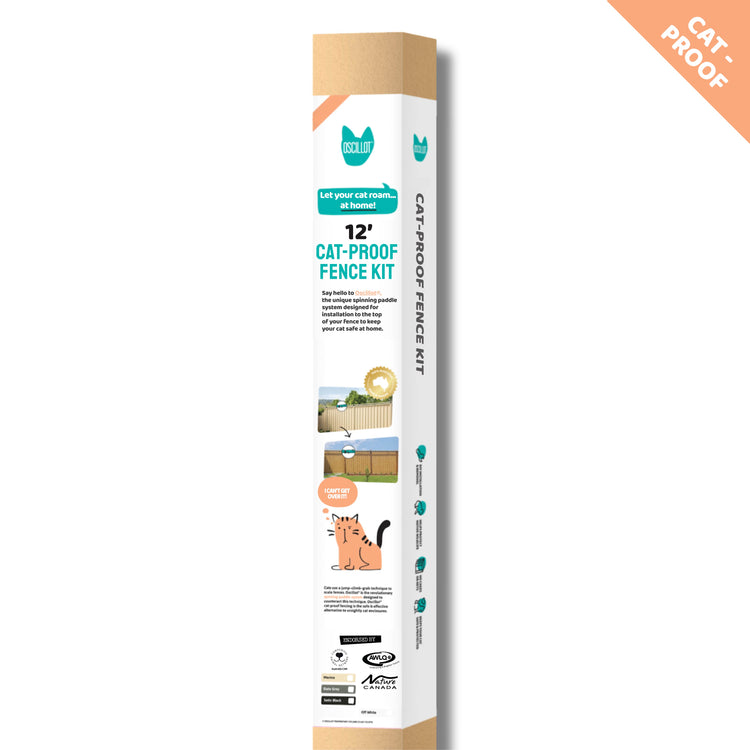
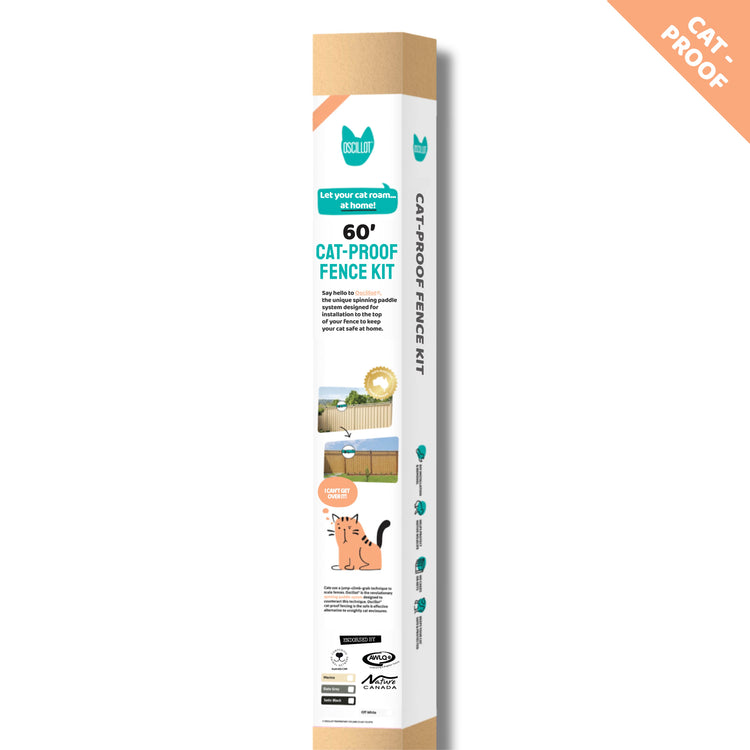
In these videos, hardware is part of the story, not the whole story. A creator might show a compact 4 foot kit for a townhouse patio one week, then a larger 60 foot run along a back fence the next, comparing how their pets respond.
As brands, we listen closely to these creators because they stress what U.S. pet parents value most: safety without harsh methods, durability in varied climates, and a yard that still looks like a yard.
3. Humane Hardware Becomes TikTok-Friendly: Cat-Proof Fence Rollers In Focus
Containment hardware used to live only in trade catalogs and long product pages. TikTok is pulling it into the spotlight in a format that is fast, visual, and easy to understand, especially for younger homeowners and renters.
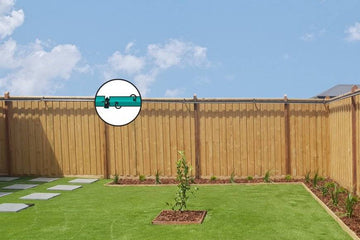
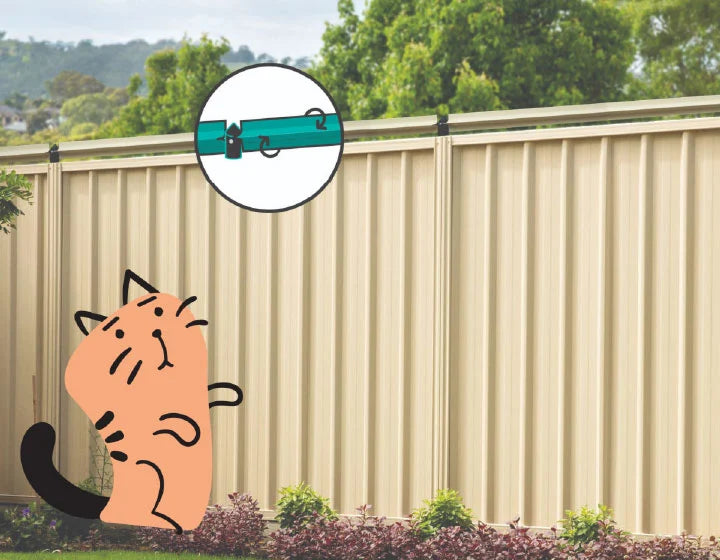
Roller-based systems that sit on top of a fence are especially suited to short videos because viewers can instantly see how the paddles spin when a cat tries to grab the edge. There are no wires to hide and no complicated electronics to explain.

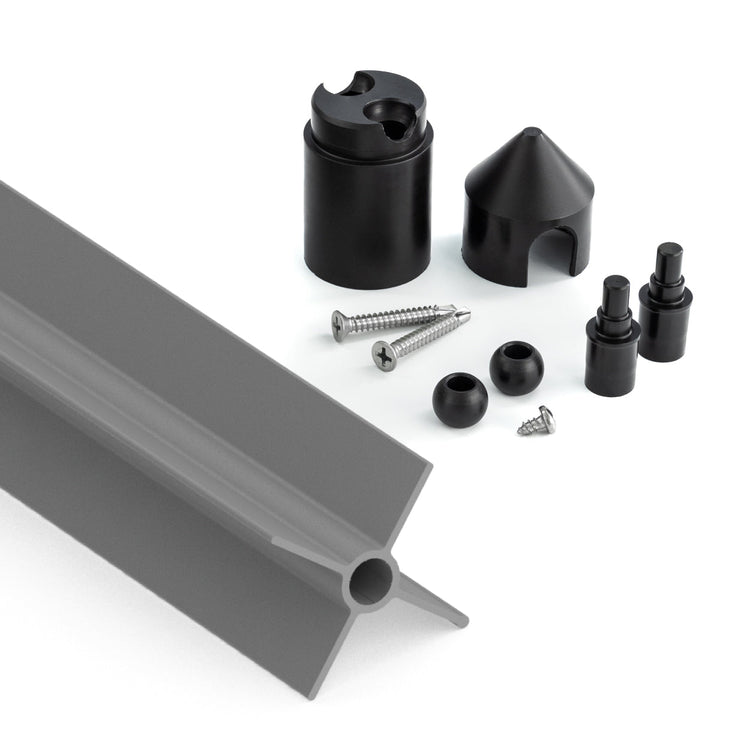
For example, a creator might install a 16 foot kit along the “launch zone” where their cat usually escapes. In a single clip, viewers can see the paddles, brackets, and the way the cat’s paws simply cannot get a secure grip once it reaches the top.
Because there are no electric currents, cages, or visible nets, these setups also align with the aesthetics that U.S. homeowners often showcase in social content, from desert-modern backyards to shaded suburban decks.
This infographic highlights five signals shaping a niche, community-driven pet containment trend on TikTok. It shows how communities and niche topics drive content strategy.
We see more U.S. creators walking around their yard with a phone in one hand, pointing out where the paddles begin and end, and explaining how they chose the length of their kit to match their fence line.
As viewers, that kind of transparent walkthrough helps us picture what might work in our own spaces, from compact patios to large backyards.
4. Community Q&A: Measurement, Yard Types, And Real U.S. Constraints
Measurement is one of the biggest friction points for first-time containment buyers, and TikTok creators are turning that pain point into highly shareable content. We see a steady rise in “come measure with me” videos where creators pace the yard perimeter with a tape measure and a smartphone.
These clips mirror resources like structured yard guides, but they add a human touch for U.S. properties that are far from standard rectangles, such as corner lots, sloping yards, or mixed fencing with both wood and chain-link sections.
In the comments, other owners chime in about setbacks, HOA rules, and how they handled short side gates or shared fences along townhome rows. That comment-level collaboration is exactly what makes this niche community-driven instead of top-down.
From our perspective, we see a clear pattern: the more creators demystify measuring and planning, the easier it becomes for U.S. pet parents to pick the right kit lengths, whether that is a small run or a 100 foot system for a large yard.
5. DIY Installation Content: From Instruction Manuals To “Install With Me” Videos
Instruction manuals are still important, but TikTok audiences often prefer to see a person install hardware in real time. This is why “install with me” and “I tried this cat fence kit so you do not have to guess” videos are spreading across the platform.
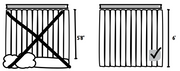
Creators often follow the same essential steps as written guides, like confirming the fence is at least 6 feet tall, checking for hazards, and spacing posts correctly, but they narrate in casual language as they drill, screw, and test each paddle.

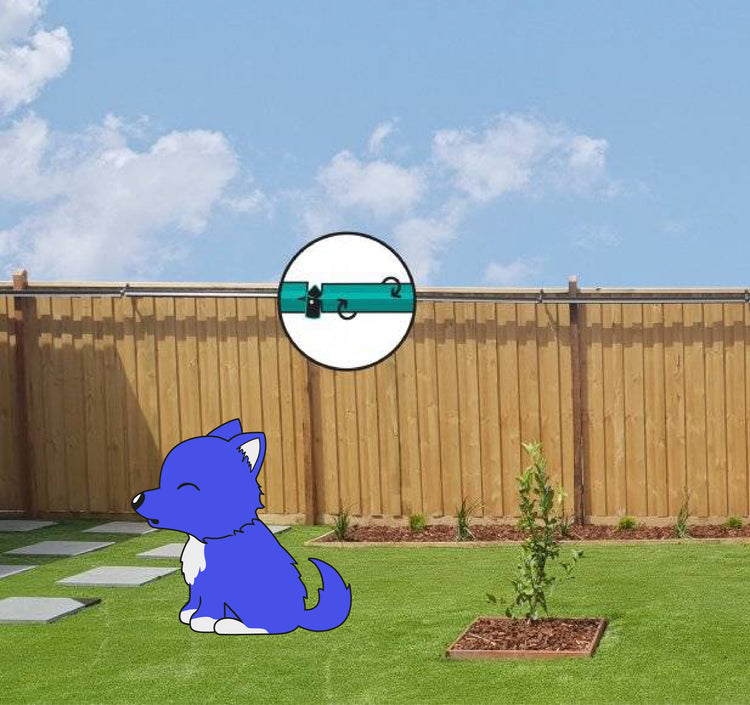
In the U.S., many of these videos mention how long the project took and what tools they used, so viewers can plan their own weekend projects. Some mention that if they did not have time, they could call a local handyman, which keeps installation accessible for a wide range of people.
Safety is always a core theme in these videos. Creators show how they secure ladders, keep pets indoors during drilling, and double-check the stability of each installed section before letting a cat or dog outside.
6. From Mountain Homes To Urban Alleys: Regional TikTok Containment Stories
United States pet containment needs vary extremely by geography, and TikTok’s algorithm naturally clusters content around those realities. Mountain communities worry more about coyotes and steep slopes, while city dwellers worry about alleys, busy streets, and neighbors’ yards.
We see more regional creators explaining why they chose specific containment setups for their environment. For example, a Colorado user might mention coyote sightings and show a higher fence line with rollers, while a Brooklyn creator focuses on keeping a cat away from a narrow shared roof edge.

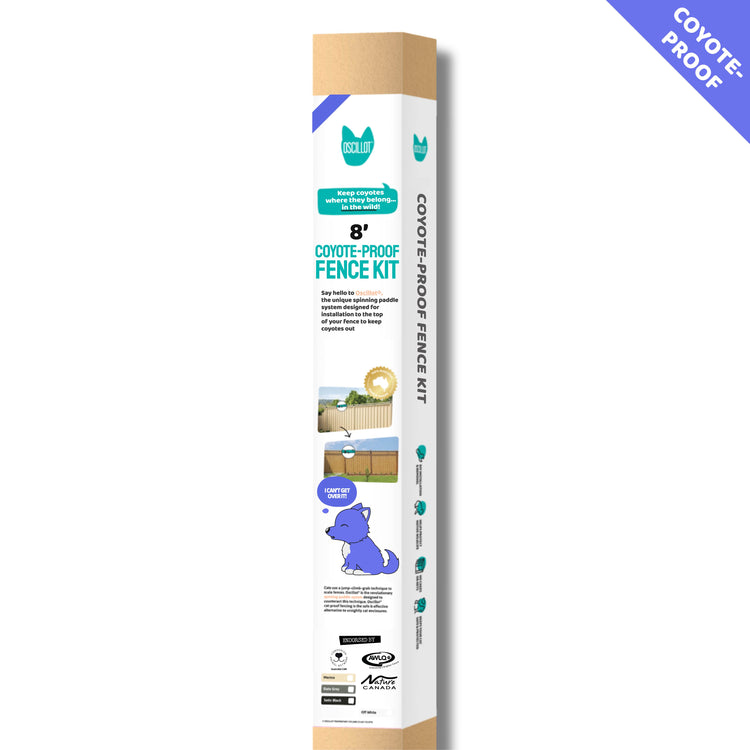
These regional stories help U.S. pet parents filter advice by climate and wildlife risk. A clip filmed at 7,000 feet in the Rockies may not apply directly to a flat Florida yard, but it still inspires questions and better safety decisions.
From a product standpoint, it pushes all of us to think beyond generic “backyard” marketing and speak clearly about how our systems perform in wind, snow, salt air, or high UV conditions.
7. Rescue Shelters, Veterans, And Community-Led Containment Education
Many U.S. animal shelters and community groups are embracing TikTok as a way to educate adopters about safe outdoor access. Instead of only posting adoption reels, they create clips that show their own containment setups for communal cat patios or fenced dog runs.
These organizations often talk openly about escape incidents they dealt with in the past and how better containment, combined with enrichment, reduced those risks.
We are also seeing more content around partnerships that support veterans and shelter initiatives, which resonates strongly in U.S. communities that value service and animal welfare. In many of these videos, discounts or donated installations are linked to real containment outcomes, not just branding.
When shelters and veteran groups demonstrate hardware that aligns with humane handling and wildlife protection, they help set a higher standard for what viewers expect from any pet containment product on TikTok.
8. Humor, Fails, And The Role Of Entertainment In Safety Content
Even serious topics like pet safety benefit from humor on TikTok, and containment is no exception. Many of the most-shared videos in this niche show a cat dramatically failing to escape a newly installed system, then walking away with an offended tail flick.
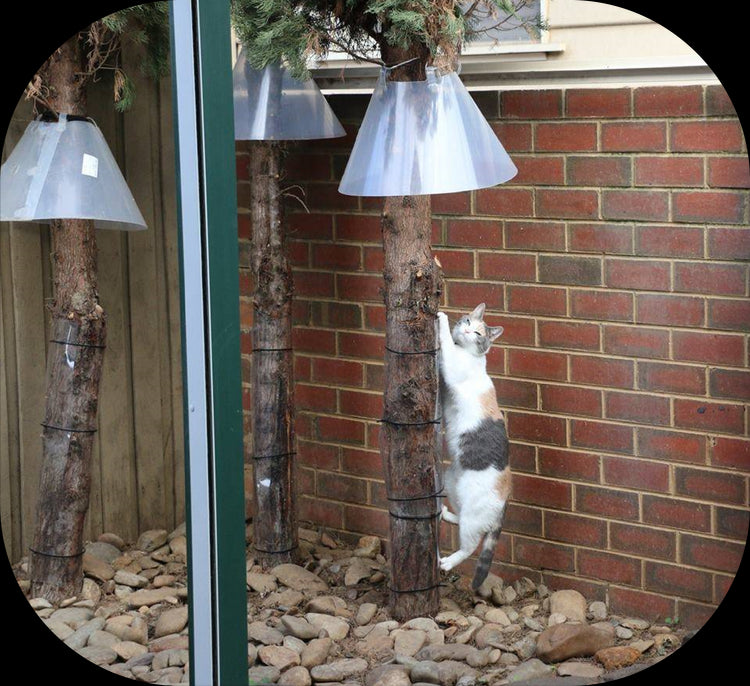
Behind those laughs is real education. Viewers can see that the cat does not get stuck, does not receive shocks, and does not face nets or cages, which reassures them about the gentleness of the system.
Creators also show their own mistakes, like misjudging a gap or forgetting to cover a gate, then walking through how they corrected it. That transparency helps U.S. homeowners feel less intimidated about starting a project of their own.
As brands, we respect these honest “fails” because they highlight how important correct installation and planning are, and they often drive viewers toward better guidance instead of quick fixes.
9. Product Deep Dives: Comparing Kit Lengths, Parts, And Long-Term Value
Another clear pattern in the TikTok containment wave is the rise of product comparison content. Creators do side-by-side looks at different kit lengths and configurations, discuss cost per foot, and talk about how far their initial order actually went along the fence.
For example, a creator might start with a compact $44.10 4 foot kit for a test zone, then add 12, 40, or 60 foot kits over time as budget allows, describing how each addition improved safety.

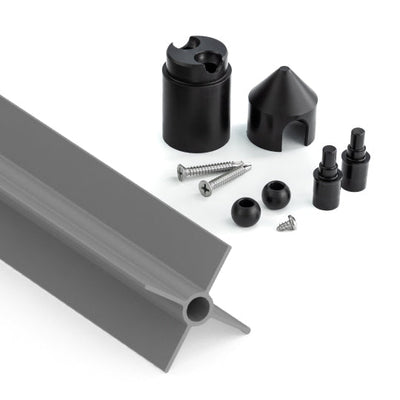
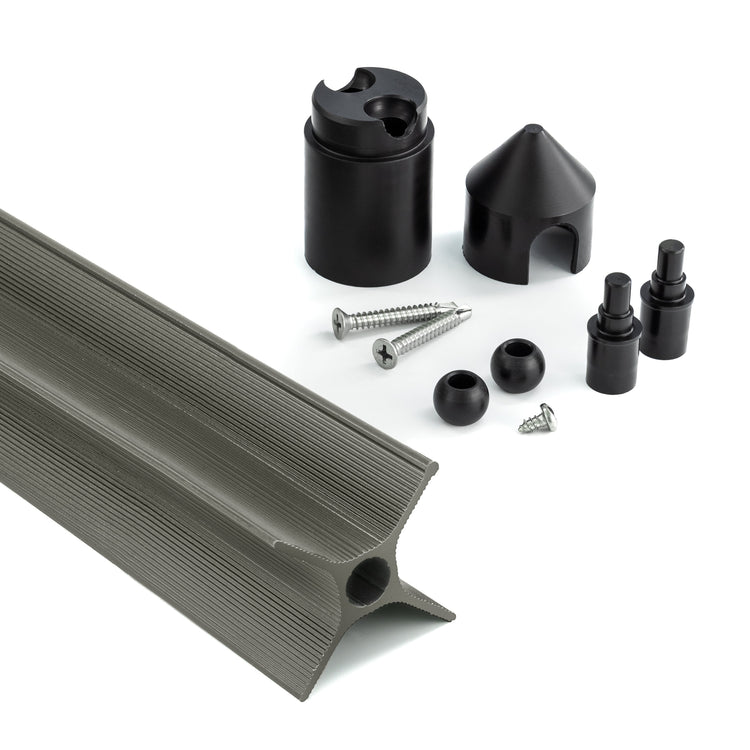
Viewers also like to see the individual parts up close, such as brackets, posts, and paddle colors, so they know what will arrive in the box. Close-up shots of hardware paired with before-and-after yard clips help bridge that gap.
Over time, this kind of deep-dive content educates the entire niche about what quality looks like, what a realistic budget is for different yard sizes, and why durable materials pay off compared to improvised fixes.
10. Planning For Durability, Warranty, And Long-Term Content
Because TikTok videos stay on profiles for years, creators care about how their installations hold up. We see more follow-up content one, two, or three seasons later that looks at wear, color fading, and any needed adjustments.
Those long-term updates naturally raise questions about warranty coverage, spare parts, and how to document installations in case something needs support in the future.
Creators often show how they store receipts, take photos of their finished fences, and keep a list of parts used so that future repairs or expansions are straightforward. That kind of planning content pairs well with detailed warranty explanations from brands serving North America.
In practice, this means the TikTok pet containment niche is not just about the first exciting install. It is about building a durable, documented system that keeps U.S. pets safe year after year.
Conclusion
TikTok Next 2026 is poised to make pet containment one of the most practical and community-driven niches on the platform in the United States. With Gen Z and younger homeowners turning to short videos for product discovery, real-world fence kits, humane rollers, and planning guides are becoming part of everyday social conversations.
As a company focused on safe, low-stress containment, we welcome this shift. It rewards honest demonstrations, long-term durability, and community education, and it helps more American pet parents keep their cats and dogs safely within their yards while still enjoying open, beautiful outdoor spaces.


