


10 Genius Ways To Let Your Cat Watch Winter Wildlife Safely (Without Free Roaming)

Domestic cats spend about 75% of their time outside their owner’s house or garden, which makes winter a risky season if they roam freely while wildlife activity stays high. In cold months, we can redirect that natural curiosity into safe, contained observation spaces where cats stay warm, protected, and away from vulnerable animals.
Key Takeaways
| Question | Answer |
|---|---|
| How can I let my cat watch winter wildlife without roaming? | Use fully enclosed patios, catios, or fenced yards with a cat-proof system like the Oscillot paddled-fence design, as explained in our guide for shelters and foster cats. |
| What is the safest outdoor setup in winter for supervised wildlife watching? | A cat-proofed backyard using DIY kits like the 60' Cat-Proof Fence Kit lets cats explore near windows, shrubs, and bird feeders without escaping. |
| How big should my secure observation area be? | You can match the system to your fence line using planning tools such as the Cat Fence Calculator and the yard measuring tips on the How to Measure Your Yard page. |
| Are cat-proof fences suitable for older or recovering cats in winter? | Yes, winter-safe, enclosed yards are strongly recommended in our article on protecting older cats outdoors and our guide to healing spaces for recovering cats. |
| Can I scale up a winter observation space for multiple cats? | Larger DIY systems such as the 300' Cat-Proof Fence Kit are built for expansive yards and multi-cat homes, including shelter-style winter enclosures. |
| Where do I see real-world examples of secure outdoor cat areas? | You can browse finished installations and layouts that work well in winter on our visual gallery page for inspiration. |
1. Why Winter Wildlife Watching Needs Extra Safety For Cats
Winter concentrates wildlife activity around food, water, and shelter, so your cat is likely to notice more birds, small mammals, and even predators passing near your property. At the same time, cold, ice, and reduced visibility raise the stakes for any cat that leaves a secure space.
Snowfall can reduce cat home ranges by up to 94.5%, which means many cats stay closer to buildings and fence lines in winter, exactly where well designed observation spaces can give them safe, rich views. Our focus is to keep that curiosity satisfied while preventing escapes, injuries, and impacts on local wildlife.
Key winter risks for outdoor cats
Uncontained cats can slip on ice, be surprised by predators, or cross roads they usually avoid. They may also stalk hungry birds and mammals that already struggle to find food in the cold season.
Secure observation zones remove the need for free roaming while still giving access to natural sights, scents, and sounds. We use fixed barriers, cat-proof fence tops, and thoughtful layout to direct where your cat can watch from.


2. Planning Safe Winter Observation Zones In Your Yard
Before choosing products, it helps to map where your cat can safely watch winter wildlife from windows, patios, or fenced areas. Start by identifying the natural "theaters" in your yard, such as bird-rich trees, shrub lines, or open views toward fields or wetlands.
Then decide how close your cat should be and how much of that view you want inside a fully contained space. We recommend keeping any observation area well within your property boundary so there is no direct access to wild habitats.
Measuring and visualizing your ideal space
In winter, short daylight hours mean your cat will often watch wildlife at dawn or dusk, so plan views that are easy to supervise from indoors. Consider where snow drifts or icy patches form, and avoid designing observation spots where your cat risks slipping or being hit by sliding snow.
Accurate measuring helps you match your plan to the right containment length and layout. That is why we provide a dedicated yard measuring guide and a calculator tool to convert your fence line into required kit lengths.
3. Using Cat-Proof Fence Kits To Turn Yards Into Winter Viewing Rooms
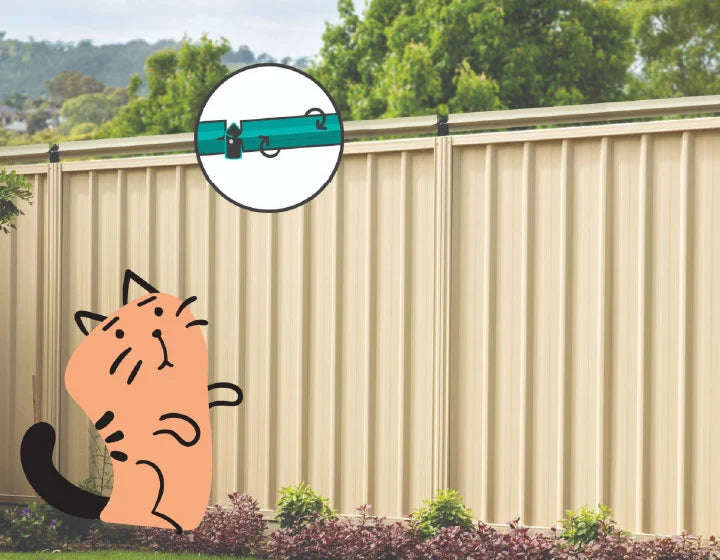
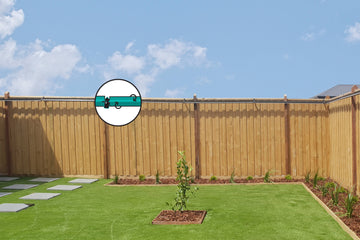
One effective way to create a winter wildlife observation zone is to convert your existing backyard fence into a cat-proof barrier with paddled fence-top systems. Our Oscillot kits sit on top of most standard fences and use spinning paddles to discourage climbing without cages or netting.
This approach keeps your cat on your side of the fence while allowing clear views through or over the fence to surrounding winter activity, from birds at neighboring feeders to passing foxes or deer at a distance.
Oscillot 60' Cat-Proof Fence Kit: A winter-ready starter size
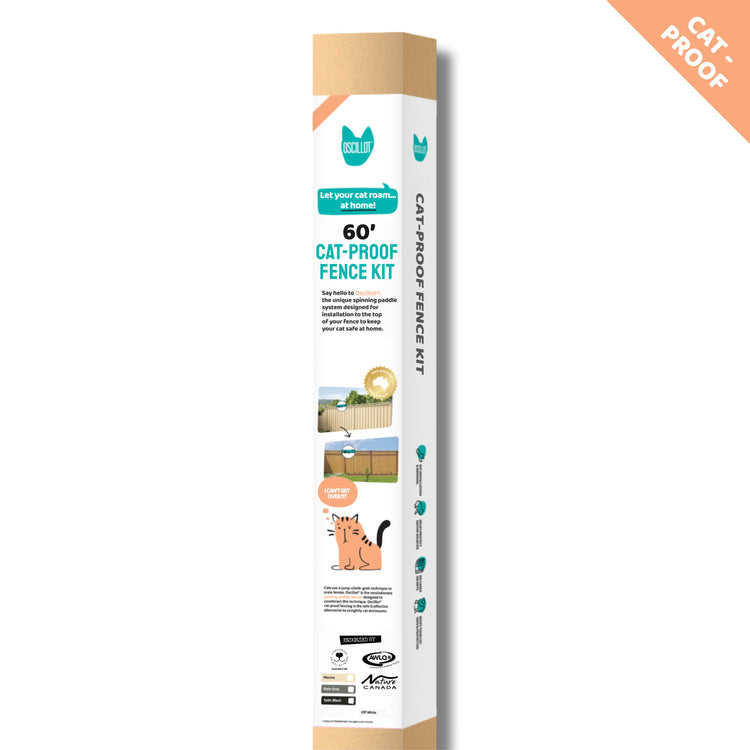
The 60' Cat-Proof Fence Kit at $443.00 is a practical size for many suburban yards that back onto greenbelts or quiet streets. It includes paddles, posts, and mounting hardware sized for around sixty feet of fence, often enough to secure one main side or a smaller enclosed area where you position feeders and perches.
DIY installation typically takes 2 to 4 hours, which homeowners can schedule on a dry winter day so the system is ready before severe weather or peak wildlife activity. Once installed, your cat can explore shoveled paths, watch birds from low platforms, and enjoy fresh air without being able to scale the perimeter.
Explore five safe winter observation spaces for cats during cold months. These setups help cats enjoy wildlife watching while staying warm and protected.
4. Scaling Up: Larger Fenced Winter Observation Parks For Cats
If you have more space or multiple cats, you may want a larger winter viewing area that wraps around more of your property. We support this by offering several kit lengths that scale up while using the same paddle-and-post concept.
In winter, larger contained areas let you separate active zones from quiet refuge zones, which helps cats regulate their own comfort and stress. You can keep one part close to the house for short, supervised outings and another corner where bolder cats can spend longer sessions watching distant wildlife.
Comparing larger kits for winter wildlife watching
| Kit | Approx. Coverage | Price | Best winter use |
|---|---|---|---|
| 100' Cat-Proof Fence Kit | Around 100 feet of fence | $710.00 | Mid-sized yards with one or two main viewing sides |
| 120' Cat-Proof Fence Kit | Around 120 feet of fence | $852.00 | Bigger family yards, more complex winter path layouts |
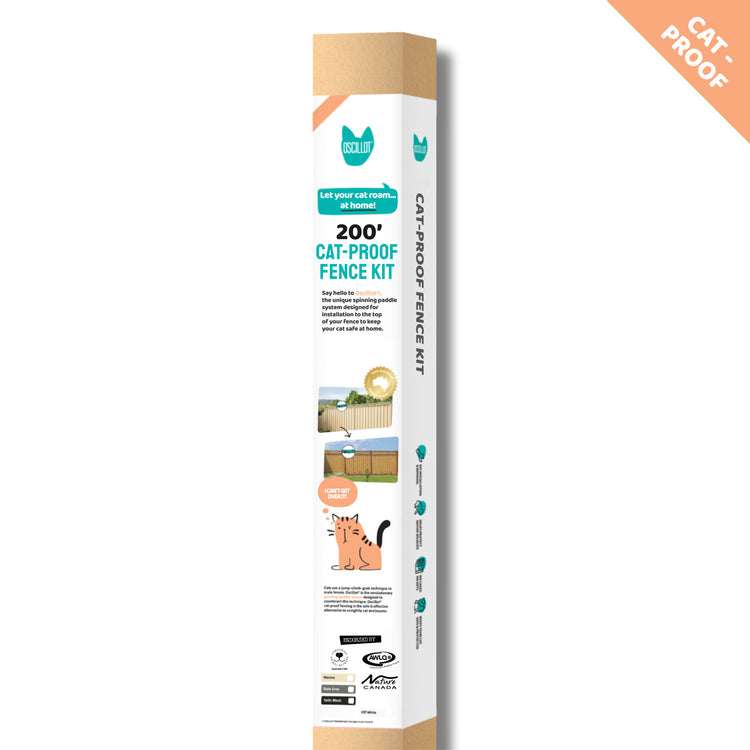
| 200' Cat-Proof Fence Kit | Around 200 feet of fence | $1351.00 | Large properties or small-shelter winter yards |
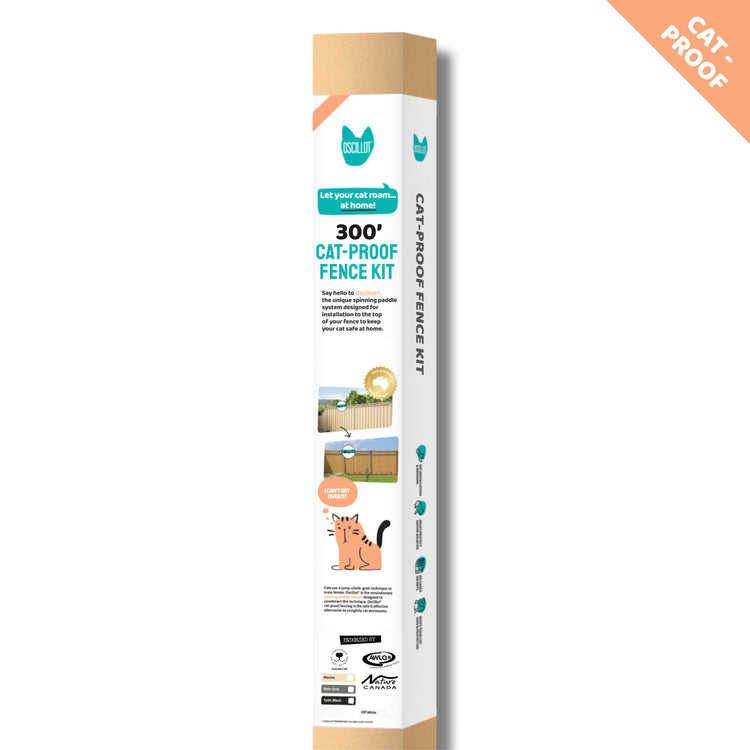
| 300' Cat-Proof Fence Kit | Around 300 feet of fence | $2027.00 | Expansive, park-like observation spaces |
With longer runs, you can design specific winter vantage points around known wildlife corridors, such as a gap in trees where deer pass or a corner that faces a wetland. The key is that the containment stays complete, so your cat enjoys the show without ever reaching those wild areas.
We see shelters and foster networks use 200 foot and 300 foot systems to build multi-zone, winter-safe yards where cats can rotate between suntraps, wind-sheltered corners, and active viewing zones.

5. Designing Winter Catios And Enclosed Patios Facing Wildlife Hotspots
Even if you do not have a full yard to convert, you can still give your cat a front-row seat to winter wildlife with a catio or enclosed patio. These structures work especially well when they are attached to a wall or window that already faces bird feeders, hedges, or open fields.
Solid walls and a roof protect your cat from snow and wind while mesh panels maintain visibility and fresh air. You can combine a catio with a cat-proofed fence line to give your cat two distinct observation experiences: one fully enclosed and one open-air but contained.
Placing feeders and shelters to attract wildlife safely
In winter, we suggest putting bird feeders and brush piles outside the containment area but within view of your cat’s windows or mesh panels. This lets birds and small mammals feed without facing direct predation from your cat.
At the same time, it adds a constant stream of visual enrichment for your cat on cold days when direct outdoor time is limited. The goal is to turn your patio, catio, or yard corner into a comfortable wildlife-watching blind for your feline observer.

6. Winter Observation For Senior Cats: Comfort And Safety First
Older cats often love watching winter wildlife but tire quickly in the cold or struggle with icy footing. In our experience, the best approach for seniors is a small, easily accessed area with short distances, clear paths, and warm rest points facing interesting views.
That might mean just one or two steps from a patio door onto a sheltered deck or into a fully contained corner of the yard. With a cat-proof perimeter in place, you can let a senior cat wander at their own pace without worrying about them climbing or slipping through gaps.
Kit choices for compact winter-senior zones
For these smaller setups, homeowners often use shorter runs like 60 feet or 80 feet of cat-proof fencing on the most accessible side of the house. In our older-cat safety tips, we discuss how to pair these kits with heated beds, low platforms, and non-slip mats so older cats can watch birds and squirrels from secure, comfortable vantage points.
We also recommend limiting winter sessions with older cats and bringing them indoors to fully warm up between viewing periods. The containment system reduces escape risk, but it is your routines that keep them safe from cold-related stress.
7. Healing And Recovery Spaces With Winter Views
Cats recovering from surgery or illness benefit from fresh air and mental stimulation, but they often have strict activity limits. For these cats, a dedicated healing yard or enclosure that faces winter wildlife can support recovery without risking overexertion or escape.
We design these spaces so recovering cats can lie in insulated shelters, on soft bedding, or in sun patches, while still being able to see birds, snow, and distant movement. Fencing, paddles, and careful gate design keep the perimeter tight, which is essential when a cat is wearing a cone or has reduced mobility.
Mid and large kits for recovery-focused winter yards
Kits in the 120' to 300' range are often used for recovery spaces in rescues or multi-cat homes, since they let you isolate a quiet corner away from high-traffic areas. For example, a 120' Cat-Proof Fence Kit at $852.00 can secure a significant portion of a side yard or garden that you reserve for convalescing cats during winter.
By placing that area where it overlooks bird feeders, wooded edges, or a quiet street, you give recovering cats something to watch without needing to walk far or climb. That combination of rest, fresh air, and visual interest often makes winter confinement much easier for both cats and caregivers.
8. Protecting Wildlife While Your Cat Watches In Winter
Our goal is not only to keep your cat safe but also to reduce its impact on local wildlife, which is especially vulnerable in cold months. When cats cannot roam beyond a secure yard or enclosure, they cannot hunt the birds and mammals that gather at winter feeding spots and shelters.
This is important, because winter drives many species into smaller, more predictable areas, making them easy targets for free-roaming cats. Proper containment turns your cat into a spectator instead of a participant in the winter food chain.
Why yard-scale buffers matter
Research on cat home ranges suggests that relatively small buffers around sensitive areas can exclude most domestic cats. By keeping your cat completely within your property, contained by a cat-proof fence or enclosure, you effectively create your own private buffer.
In practice, that means your cat can enjoy the sight of passing birds, foxes, and other wildlife at appropriate distances without adding to predation pressure. It is a practical balance for households that care about both animal welfare and biodiversity.
9. Practical Winter Setup Tips: Surfaces, Shelter, And Enrichment
Once you have your safe perimeter or enclosure in place, the details of your winter setup determine how enjoyable wildlife watching will be for your cat. Start with surfaces, making sure there are shoveled pathways or cleared deck boards where paws will stay dry and relatively warm.
Add non-slip mats on favorite routes, especially near doors and under perches where your cat may jump or turn quickly. These simple changes reduce the risk of slips while your cat is focused on tracking birds or squirrels with their eyes.
Warm spots and vertical views
Provide insulated boxes, sheltered benches, or covered beds where your cat can curl up between observation bursts without going back inside immediately. Position these rests where your cat still has line-of-sight to wildlife areas so they do not feel like they are "missing out" when rewarming.
Vertical elements like low platforms and safe ramps can give your cat a better angle over snowbanks and shrubs. In a fenced yard with paddles, these structures stay inside the containment and let your cat survey winter scenes without ever approaching the fence top.
10. Installation And Maintenance For Winter-Ready Containment
For winter wildlife watching, reliability matters as much as design. A gap or loose component in your containment system is more likely to be missed when you are bundled up or dealing with snow, so we guide owners to use sturdy hardware and perform quick visual checks all season.
Our DIY kits are built with materials suited to North American weather, and the spinning paddles are designed to operate in a wide range of temperatures. Even so, we recommend occasional inspections for ice buildup, heavy snow on brackets, or shifting fence posts after storms.
Keeping your system effective in cold months
In practice, winter maintenance usually means brushing off heavy snow from fences, confirming that paddles still rotate freely, and verifying that no tree branches or snowbanks create new launch points near the fence top. These checks only take a few minutes but preserve the integrity of your cat’s observation boundary.
Once your system is in place, winter wildlife watching becomes a simple routine. You open the door, let your cat into a known-safe space, and enjoy watching them track birds and winter visitors while you stay confident they will come back inside just as they left.
Conclusion
Winter does not have to mean choosing between a bored indoor cat and the risks of free roaming among snow, ice, and concentrated wildlife. With well planned observation spaces, from compact patios to fully cat-proofed yards, we can give cats safe, stimulating views of the cold-season world.
By matching fence kits to your layout, adding winter-friendly surfaces and shelters, and thinking about both feline safety and wildlife impact, you create a controlled environment where curiosity is rewarded but boundaries are clear. That way, your cat enjoys every flurry of wings and drift of snow while you enjoy peace of mind all winter long.


