


Garden Companion Guide: Safe, Beautiful Pet-Friendly Plants Inside Your Oscillot Containment Zone

If you love plants and pets, designing a safe garden inside your Oscillot containment zone matters more than ever, especially when over 451,000 pet poison cases in 2024 involved toxic substances, many of them plants. We created this guide to help you pair secure Oscillot fencing with pet-friendly greenery so your cats and dogs can explore without risk.
Key Takeaways
| Question | Answer |
|---|---|
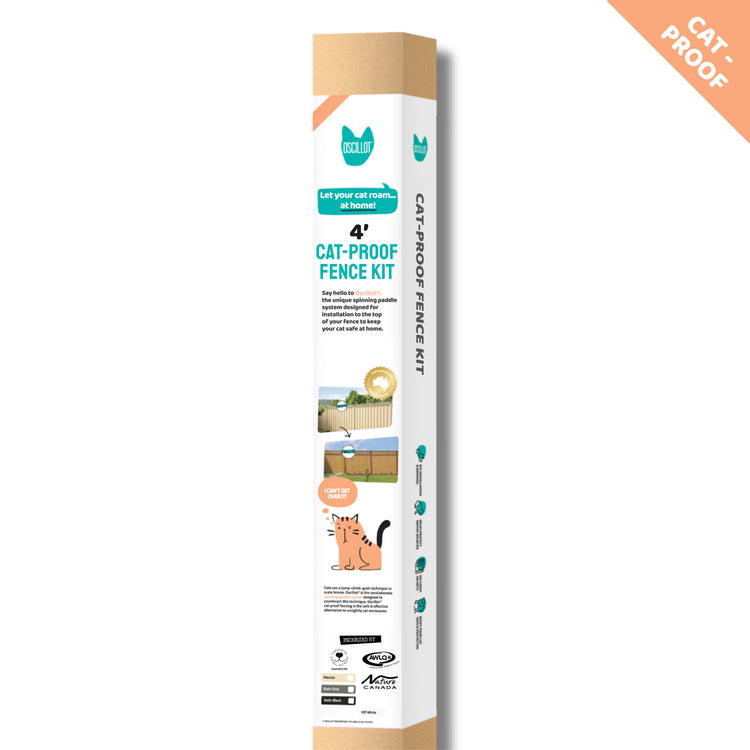
| What is an Oscillot containment zone? | It is a yard or garden space surrounded by cat proof fence rollers like our 4' Cat-Proof Fence Kit, designed to keep pets safely inside while they enjoy the outdoors. |
| Can I grow plants near Oscillot panels? | Yes, you can grow plants right up to the fence line as long as they do not create launch points over systems such as the 8' Cat-Proof Fence Kit. |
| Which Oscillot kit size suits a small pet garden? | Compact patios and narrow side yards often work well with our 12' Cat-Proof Fence Kit, while larger gardens may need longer runs. |
| Is it safe to mix dogs, cats, and plants in one zone? | Yes, if you choose non-toxic plants and secure fencing such as the 16' Cat-Proof Fence Kit so pets cannot roam or access hazards. |
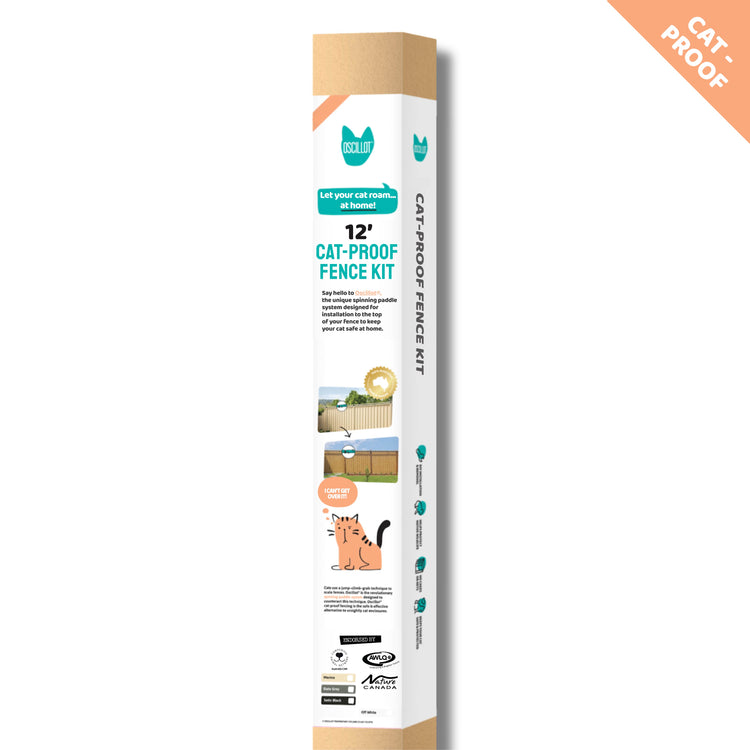
| How do I protect wildlife around my pet garden? | Keeping pets contained with systems like the 20' Cat-Proof Fence Kit reduces hunting and lets you plant wildlife-friendly, yet pet-safe shrubs outside your fence. |
| Do I need different kits for long perimeter runs? | Yes, you can scale up to longer runs such as our 40' Cat-Proof Fence Kit to cover extended garden boundaries without gaps. |
| Where can I learn the basics of Oscillot? | Visit our overview page at What is Oscillot for a clear explanation of how the system works with your landscape plans. |
Designing a Pet-Safe Garden Inside Your Oscillot Zone
We see your Oscillot containment zone as more than fencing, it is the boundary of a living, green room where your pets can safely roam. To build that room, you need both secure hardware and thoughtfully chosen pet-safe plants.
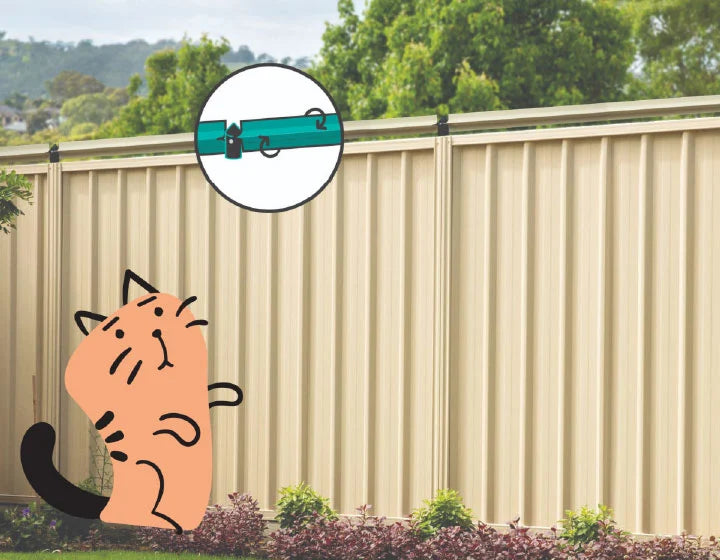
Before you pick plants, map the edges of your zone and identify where your existing fence will carry Oscillot paddles. This helps you avoid planting future "ladders" that could let cats or agile dogs reach the top of the fence and test the rollers.
Balancing greenery and open space
Research on indoor and enclosed greenery shows that around 20 percent overall greenery delivers the strongest restorative benefits, while roughly 60 percent coverage can feel crowded and stressful. Inside an Oscillot yard, we recommend leaving clear sightlines and open runs where pets can sprint or nap without dense foliage around every corner.
Use plants to frame paths and resting spots instead of filling every bare patch of soil. This keeps your containment zone easy to supervise while still lush and engaging for your animals.
Keeping containment performance first
Climbing structures are the main risk to Oscillot performance, not the plants themselves. When you plan shrubs, trellises, or raised beds, keep the mature height at least 18 to 24 inches below the bottom of your cat proof fence rollers.
We also suggest avoiding any rigid shelves or large pots right against the fence that a cat could use as a springboard. Treat the first 3 feet inside your fence as a "low plant band" with groundcovers, herbs, and compact ornamentals.
Choosing Non-Toxic, Pet-Friendly Plants for Contained Yards
Our customers often tell us that choosing safe plants is more confusing than choosing the right Oscillot kit. You are not alone, because many popular ornamentals are toxic to cats and dogs even in small quantities.
To keep things simple, focus on families of plants that are widely acknowledged as non-toxic for most pets. Then, double check each species with your vet or a trusted poison control resource before planting within paw's reach.

Common pet-friendly plant categories
- Many herbs like rosemary, thyme, basil, and catnip for feline enrichment.
- Non-toxic flowering plants such as some varieties of marigold, snapdragon, and rose.
- Soft ornamental grasses that sway and enrich the environment without inviting climbing.
Prioritize plants that tolerate a bit of trampling or nibbling, especially in dog-heavy zones. That way, your garden remains attractive even with curious paws exploring daily.
Plants to keep outside the Oscillot zone
Toxic species like lilies, sago palm, oleander, and some philodendrons should stay in fully inaccessible areas outside your containment zone. Even fallen leaves or pollen can pose risks when pets groom themselves after contact.
If you already own these plants, consider placing them beyond your Oscillot perimeter or in fenced-off mini beds pets cannot reach. Containment is not only about keeping animals inside, it is also about keeping hazards out of their environment.
Discover pet-friendly plant options you can safely grow inside your Oscillot containment zone. This guide highlights five plant categories to keep your garden both beautiful and pet-safe.
Planning Fence Lines, Beds, and Pathways Together
We encourage you to design fence lines and plant layouts together so your Oscillot system and garden support each other. A good plan prevents issues like shrubs growing into the rollers or dense hedges giving cats a climbing route.
Think in layers when you sketch your layout, from the fence inward to the center of the yard. Each layer can host a different height class of plants that supports containment rather than challenging it.

Three functional garden layers inside your Oscillot zone
- Fence band, 0 to 3 feet from the fence: tough groundcovers, compact herbs, and low flowers.
- Middle band, 3 to 8 feet from the fence: medium shrubs, raised beds, and feature pots.
- Core zone: open lawn, gravel runs, and pet play features.
Use paths of pavers, gravel, or mulch between bands to guide both paws and people. Clear paths also help you inspect the top of your fence rollers and trimming needs quickly.
Keeping beds away from launch heights
Any raised bed or planter should end at least 2 feet below the bottom of your Oscillot paddles to avoid giving agile pets extra vertical reach. For cats in particular, combining a 24 inch planter with a 4 foot fence can turn a formerly secure barrier into a problem zone.
By planning early, you can shift tall beds toward the center of the garden while reserving low plantings for the edges. This keeps both your containment system and your garden layout working together instead of competing.
Matching Oscillot Kit Lengths to Your Garden Layout
Once you know how far your planting zones will extend, you can match our kit sizes to your actual fence length. This reduces waste and ensures continuous coverage around your pet garden.
Measure each straight run of fence that will carry paddles, then add a margin for corners and gate areas. We generally recommend rounding up to the next kit size if you are close to the limit.

Kit size ideas for typical garden setups
| Garden Type | Typical Perimeter | Example Kit |
|---|---|---|
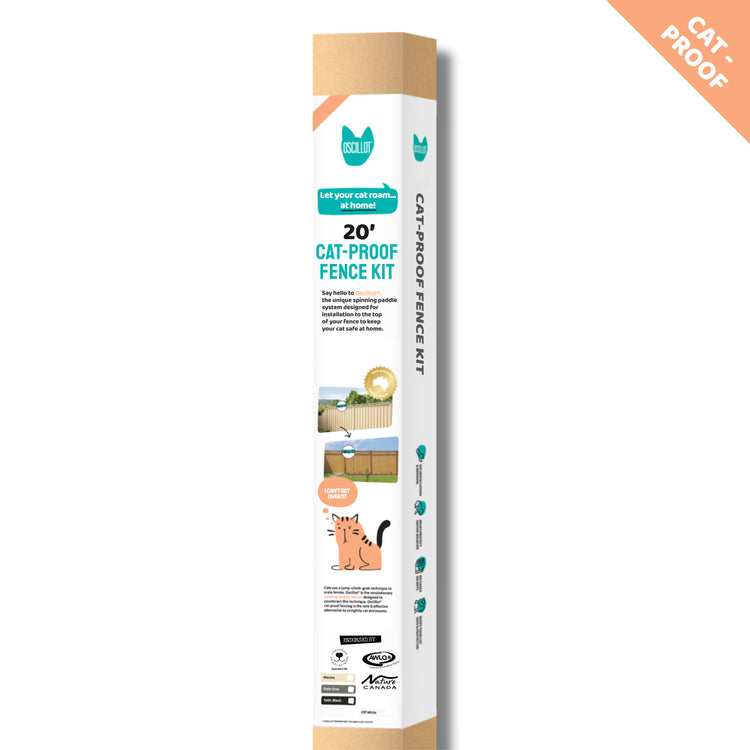
| Small courtyard or side yard | 8 to 20 feet of fence | One 12' or 16' kit to cover the main escape side |
| Medium backyard with planting beds | 40 to 80 feet | 40' or 60' kits for primary runs plus shorter kits for return sides |
| Large pet-friendly landscape | 100 feet or more | 100', 120', or 200' kits matched to the full perimeter |
Our shorter DIY kits are ideal for trial runs on one side of your yard while you finalise planting and layout decisions. Once you are happy with the way your garden and fence interact, you can scale up around the full perimeter.
Accounting for gates and structures
Gates, sheds, and attached garden structures can create weak points if you skip them when measuring. Include any section that a cat or agile dog could reach and try to climb.
If you add new pergolas or trellises in the future, come back to your plan and check whether they sit close enough to the fence to alter your containment strategy. A little planning now keeps your pet-safe garden truly secure later.
Creating Enrichment With Pet-Safe Plants and Features
A good Oscillot containment zone does more than stop escapes, it gives pets interesting sights, scents, and textures to explore. Pet-friendly plants are one of the best tools we have for this kind of enrichment.
When you combine herbs, grasses, and shrubs correctly, your pets can sniff, hide, and play safely without ever leaving your fence line. That sense of freedom inside secure boundaries is exactly what we aim for.

Ideas for cat-focused planting inside Oscillot zones
- Dedicated cat herb corners with catnip, catmint, and valerian in raised, chew-tolerant beds.
- Low tunnels of ornamental grass where cats can stalk and hide without climbing risk.
- Sun patches bordered by non-toxic flowering plants for lounging and insect watching.
Keep irresistible plants like catnip a few feet away from the fence to avoid encouraging vertical jumps in excitement. You can still give cats a "jungle" feeling while keeping climber temptation low.
Ideas for dog-friendly, dig-resistant designs
For dogs, durability is key. Plant tough groundcovers between stepping stones, choose woody, non-toxic shrubs along runs, and dedicate one patch of soil as a legal digging zone with hidden toys.
By deliberately including a dig box or sandpit inside your containment line, you reduce the odds of dogs trying to tunnel under carefully planted beds or along the fence base. It is easier to protect roots and rollers when dogs have an outlet for natural behaviors.
Integrating Oscillot With Wildlife-Friendly, Pet-Safe Landscaping
One of our goals with Oscillot is to safeguard both pets and local wildlife. Your garden inside the fence can support that goal with the right mix of plants and layout decisions.
Cats contained by cat proof fence rollers are far less able to hunt birds and small mammals. That frees you to add bird-friendly but pet-safe shrubs and nectar plants just outside your fence, where wildlife can access them but your pets cannot.

Planting for birds beyond the fence
Place berry shrubs and nectar plants outside your Oscillot boundary so birds can feed, then retreat upward without cat predation. Inside the fence, keep bird baths or feeders minimal or fully out of reach.
This separation lets you enjoy wildlife viewing from inside your garden while your pets stay safely on the observing side of the fence line. Your garden becomes a shared space instead of a hunting ground.
Using hedges as visual barriers, not climbing aids
Dense hedges can calm excitable dogs by blocking sightlines to neighboring pets or traffic. Plant them a short distance inside your fence so they do not act as ladders to the top of the panels.
Focus on species that stay below mid-fence height at maturity, or that you are happy to prune regularly. Properly placed, hedges and Oscillot rollers can work as a team to keep both stress and escapes low.
Budgeting for a Pet-Safe Garden and Oscillot System
We understand that pet-safe gardening inside an Oscillot zone is an investment, so it helps to look at long term value. Compared with repeated vet emergencies or lost pets, secure containment often pays for itself over time.
One of our internal cost analyses puts an Oscillot 100 foot kit at around $710 upfront, with estimated five year maintenance costs of roughly $520 to $1,100. That cost protects every pet and plant inside your fence for years.

Comparing containment to potential emergency costs
Emergency vet visits related to escapes, fights, or vehicle strikes quickly dwarf the price of a containment system. When you combine safe fencing with non-toxic plants, you lower both the risk of trauma and poisoning.
Spreading the investment across a five year period often makes the cost easier to justify against everyday peace of mind. You also avoid replanting beds repeatedly after escape attempts or fence damage.
Phasing your project over time
If a full perimeter feels out of reach right now, you can phase the project. Start with one side of the garden where your plant plans are already clear, then extend Oscillot coverage as you add or upgrade beds.
This phased approach lets you enjoy a partial pet-safe garden immediately. Over time, you can grow both the garden and the containment zone together until the entire yard functions as one secure botanical space.
Advanced Components for Complex Garden Containment
Some gardens include trees, retaining walls, or mixed fences that require extra attention. For those layouts, we provide accessories and alternative kits to keep your plant-filled zone secure.
When trees or structures sit close to the fence, they can override the effectiveness of standard paddles unless you add specific barriers. Planning for these elements early protects both your containment and your planting plan.
Handling trees and vertical structures
Trees inside or just outside your Oscillot zone can act as ladders if branches overhang the fence. Pruning helps, but in some cases you might add collars or other barriers to keep trunks from becoming climbing routes.
Plan tree placement so that new plantings mature well away from the fence line. In established yards, adjust pruning schedules to support your containment goals along with tree health.
Adapting to mixed or stepped fences
Gardens that step up or down in height may need different paddle runs at each level. When planning plant heights in these areas, make sure no bed or shrub bridges the gap between lower and higher sections.
We advise walking the entire perimeter at your pet’s height once installation is complete. From that perspective, you can spot potential launch points that might not be obvious from human eye level.
Dog-Proofing Mixed Pet Gardens With Oscillot
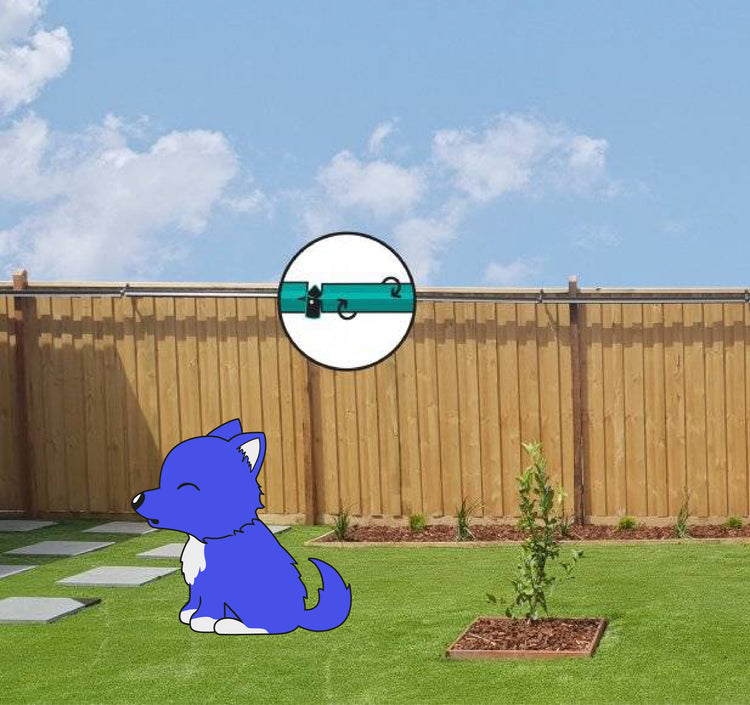
If you share your Oscillot garden with both cats and dogs, you need containment that respects each species' behavior. Our dog-proof kits and accessories are designed for canines that climb or scramble on fence tops.
In mixed gardens, dogs often test gates and corners while cats explore vertical options. Your plant layout and containment choices should consider both patterns.

Planting with strong, energetic dogs in mind
Use hardy shrubs with flexible stems along dog run routes so they can brush past without breaking branches. Avoid thorny or spiky plants along popular paths, since dogs charge through foliage without checking for hazards.
In beds near favorite patrol lines, plant low, dense groundcovers or use decorative rock instead of delicate perennials. That way, your garden stays attractive without constant replacement.
Managing coyote and wildlife concerns
In some regions, dogs also serve as deterrents to wildlife like coyotes. Dog-proof fence kits help keep your own animals in and keep larger predators from entering the garden where pets and plants share space.
By combining secure fencing with thoughtful planting, you can give dogs outdoor time without exposing them to unnecessary risks from wildlife encounters or escapes.
Oscillot Containment Zones for Shelters, Fosters, and Multi-Cat Gardens
Many of our installations support shelters, foster homes, and multi-cat households that want safe outdoor space. In these settings, plant choice and fence performance are both critical, because many different animals will move through the same zone.
Shared gardens work best when plants can handle heavy use and when fencing prevents territorial escapes or fights with neighborhood animals. A well-designed Oscillot area becomes a calm, controlled extension of indoor space.

Planting for high-traffic feline zones
In multi-cat areas, use tough, fast-recovering plants like hardy grasses and robust herbs. Expect more scratching, rolling, and digging than in a single pet home, and choose species that can bounce back.
Design multiple escape-proof hideouts with shrubs or tall grasses so less confident cats have visual cover. This lowers stress levels while keeping every cat inside the Oscillot boundary.
Supporting foster and shelter operations
For shelters and foster networks, outdoor Oscillot gardens can reduce stress, showcase adoptable animals, and create safer socialization spaces. Planting low-toxicity, low-maintenance species keeps upkeep manageable for busy teams.
We see these zones as investments in both welfare and efficiency. Fewer injuries and escapes mean more time and resources available for direct animal care and adoption support.
Bringing It All Together: A Practical Setup Example
To show how all these pieces fit, imagine a medium backyard that will host two cats, one dog, and an herb and flower garden. The owner wants safe outdoor time, privacy, and room to grow food and ornamentals.
We might recommend a complete Oscillot perimeter using an appropriate kit length, then a planting plan that divides the yard into fence band, middle band, and core. Each zone gets species matched to pet behavior and containment needs.

Sample layout inside the Oscillot perimeter
- Fence band with low herbs and groundcovers, leaving the rollers clear and visible.
- Middle band with raised vegetable beds and non-toxic flowering shrubs.
- Core zone with lawn, a dog dig pit, and a dedicated cat herb cluster away from the fence.
Gates receive extra attention with continuous paddles, and nearby beds stay low to avoid creating steps. Trees are pruned so branches do not overhang the fence line or touch the rollers.
Monitoring and adjusting over time
After installation, we suggest watching how your pets use the space for the first month. Most cats adapt to Oscillot within about 30 days, and their new routines will tell you where extra shade, shelter, or stimulation is needed.
As plants mature, revisit your plan yearly to trim back any that start to encroach on the fence or offer unintended climbing routes. With light maintenance, your garden companion zone will stay safe and beautiful for years.
Conclusion
Creating a Garden Companion space inside your Oscillot containment zone is about harmonising three elements, secure fencing, pet-safe plants, and thoughtful layout. When you plan all three together, your yard becomes a place where animals can explore freely without risking injury or poisoning.
We are here to help you choose the right Oscillot kits, adapt them to your specific garden, and pair them with plants that keep every member of your household safe. With a clear plan and the right components, you can enjoy a thriving, green, pet-friendly sanctuary right outside your door.


