


Winter Catios Made Easy: How To Design Safe, Sheltered Outdoor Rest Zones For Cats In Cold Climates

Google searches for catios, or enclosed outdoor spaces for cats, have surged 330% since the end of 2023, which tells us more cat guardians than ever want safe outdoor time for their pets even when it is freezing outside. In cold climates, that starts with designing winter-ready rest zones that keep cats warm, protected, and safely contained in your yard.
Key Takeaways
| Question | Answer |
|---|---|
| How do I keep my cat safely contained in a winter outdoor rest zone? | Use a dedicated barrier like the Oscillot cat-proof fence kit system so your cat can enjoy snow and fresh air without jumping out of the yard. |
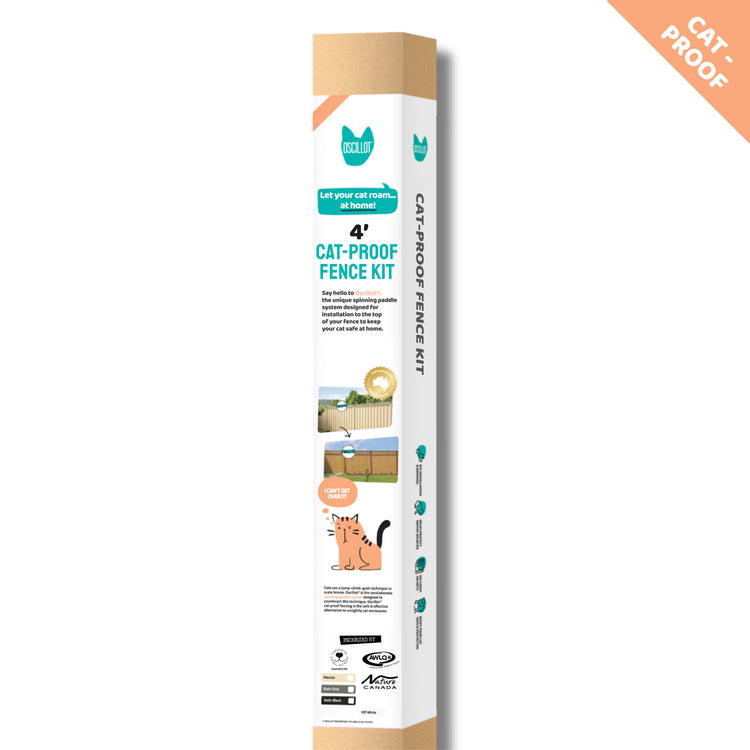
| What is the best starter setup for a small winter catio space? | For compact patios or side yards, many of our customers start with the 4' Cat-Proof Fence Kit (DIY) at $42.00 to secure a modest winter lounging zone. |
| Can I retrofit my existing fence for winter-safe cat access? | Yes, our spinning paddles and hardware mount to most 6‑foot fences, and the step‑by‑step installation guide walks you through winter-friendly setup. |
| How do I plan the size of a winter rest zone in my yard? | Measure your fence line and use the cat fence calculator to estimate how many paddles and post kits you need for a safe perimeter around your chosen rest area. |
| Are there options for very large shelters or rescue properties in winter? | Yes, facilities often choose extended runs such as the 300' Cat-Proof Fence Kit (DIY) at $2,027.00 to secure winter play yards and recovery spaces. |
| Where can I see examples of real installations for cold-weather yards? | Our customer installations gallery shows cat-proof fences on timber, masonry, and chain-link that can inspire your winter rest zone layout. |
Understanding Winter Rest Zones For Outdoor Cats
When we talk about winter rest zones, we mean intentional outdoor spaces that protect cats from cold, wind, predators, and escape risks while still giving them fresh air and stimulation. For many families, that looks like a secured backyard or catio that is safe to access for short, supervised winter sessions.
We design these zones around four priorities: safety, warmth, dryness, and predictability. Safety starts with secure boundaries, then we layer in shelter structures, insulated resting spots, and stable routines so cats know where to retreat when the temperature drops.

In cold climates, a yard that is safe in summer might not be safe in January. Snowdrifts can create “launch ramps” near fences, ice can make cats slip, and wildlife may roam closer to homes in search of food.
This is why our focus is always on creating a fully contained perimeter first, then building micro-shelters and warm perches inside that secure boundary.
Why Safe Containment Is The Foundation Of Any Winter Catio
No winter rest zone works if your cat can simply climb out of it. Escape attempts in winter can be more dangerous, because cold, ice, and reduced visibility increase risks from cars, predators, and getting lost.
We designed the Oscillot system to sit on top of your existing 6‑foot fence so cats cannot gain the grip and leverage they need to pull themselves over. The rotating paddles roll gently under their paws, so they drop back into the yard instead of launching into the snow.
Choosing A Cat-Proof Fence Kit For Your Space
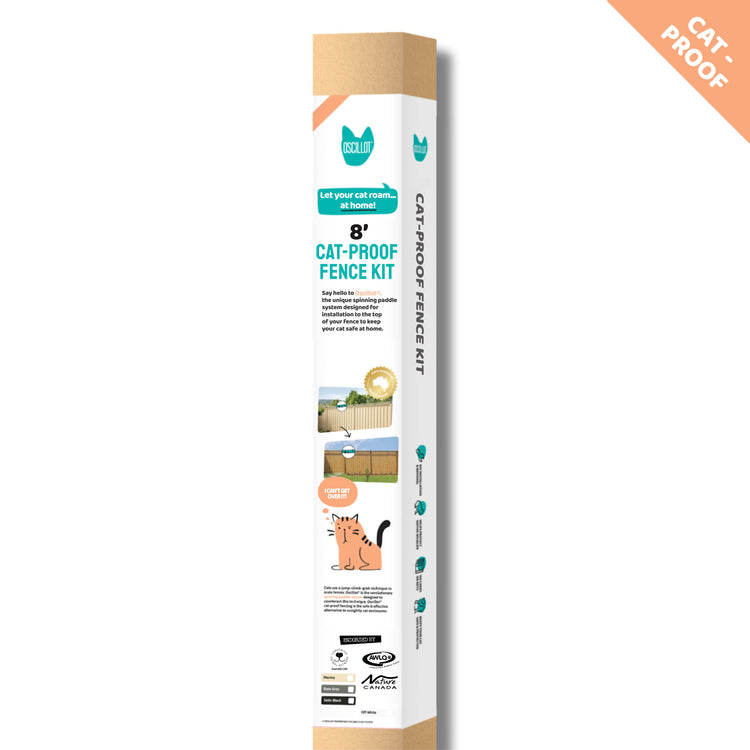
For most homes, a standard DIY kit is the simplest way to convert a regular fence into a winter-ready boundary. Our 4' Cat-Proof Fence Kit (DIY) at $42.00 suits small side yards or narrow cat runs, while the 8' Cat-Proof Fence Kit (DIY) at $67.00 works well for mid-sized sections that frame a patio or deck.
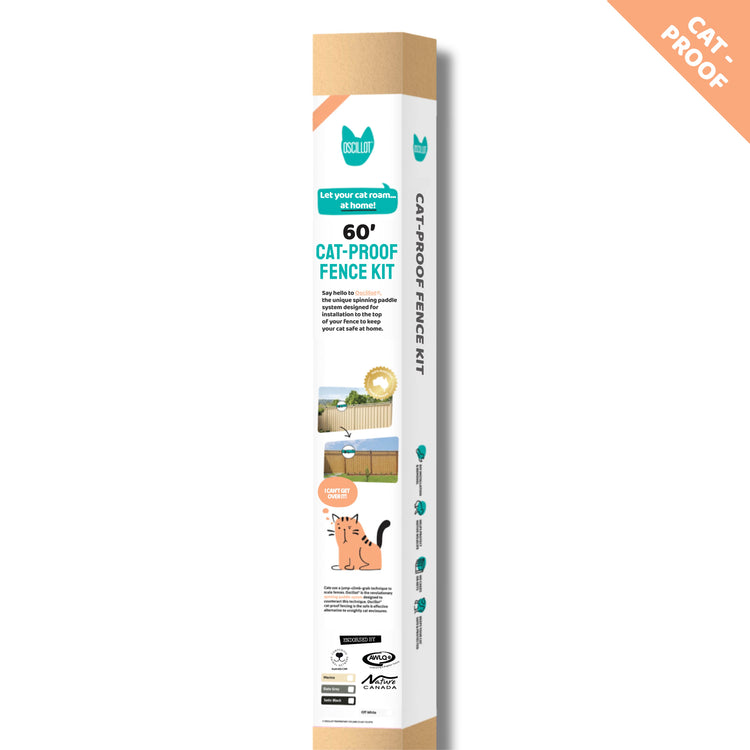
Larger yards and shared community spaces often use extended kits like 60', 120', or 300' to create a continuous safe perimeter. Once the line is secured, you can focus on what goes inside, such as insulated shelters, windbreaks, and climbing routes.
Containment hardware must handle real winter conditions. Our aluminium paddles and post assemblies are designed for permanent outdoor exposure and work in snow belts, coastal freeze zones, and dry, high-altitude cold.
This reliability means your cat has consistent access to the same secure space every day, which is especially important for anxious or routine-loving cats.
Planning Your Winter Rest Zone Layout In A Cold-Climate Yard
Before you purchase materials, it helps to sketch how your cat will move and rest within the winter zone. We encourage you to think in three layers: perimeter, pathways, and pods.
The perimeter is your fence or wall line, the pathways are the routes your cat walks between house and resting spots, and the pods are the sheltered stations where they can curl up, snack, or observe in comfort.
Measuring And Sizing The Enclosure
A practical first step is to measure your existing fence lengths that will define the cat-safe boundary. With those numbers in hand, you can use our online cat fence tools to choose the right kit length and avoid overbuying.
Smaller homes might secure just a 12 to 16 foot run that connects a back door to a covered corner, while larger properties may encircle full lawns to give active cats a winter “track” to patrol.

Inside that boundary, we recommend placing winter rest pods out of prevailing winds and away from heavy snow slide paths off roofs. Think about how sun moves across your yard so your cat can find both sunny patches and shaded areas on warmer winter days.
Many families position shelters close to the house wall where radiant warmth and reduced wind exposure make winter lounging more comfortable.
Discover how to create cozy, weatherproof outdoor zones that keep cats safe and comfortable in winter. This infographic highlights the five essential elements for sheltered spaces in cold climates.
Building A Secure Perimeter With Oscillot Fence Kits
Once you know your layout, the fence topper system becomes the backbone of your winter design. Our rotating paddles sit horizontally along the fence line, supported by post kits that attach to timber, masonry, or metal fences.
This structure allows you to use your existing fence as a winter-ready catio wall, rather than building enclosed cages or unsightly netting that can collapse under snow load.
Oscillot Cat-Proof Fence Kits For Different Yard Sizes
We offer multiple kit lengths so you can match materials to the linear footage you plan to secure. For example, the 60' Cat-Proof Fence Kit is ideal for medium suburban yards, and we build up to a 300' Cat-Proof Fence Kit (DIY) at $2,027.00 for very large properties or shelter campuses.
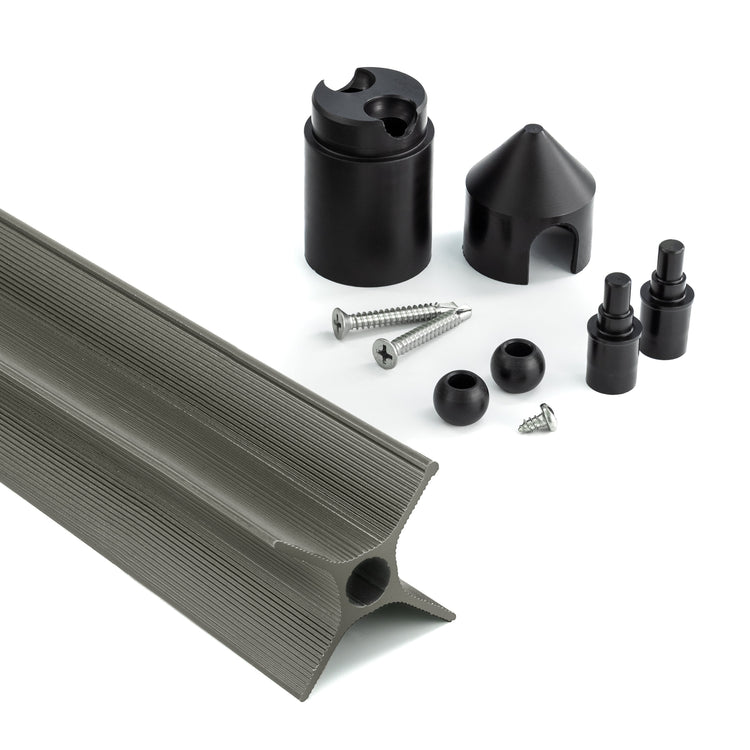
Each kit includes paddles, post kits, and mounting hardware, so you can install a continuous barrier around your winter rest zone without mixing components from different systems.
For households that share their yard with a dog, the 120' Dog-Proof Fence Kit (DIY) at $852.00 can help keep larger animals from climbing or jumping out while still supporting winter cat use. This is particularly useful where snowpack temporarily shortens fence height for athletic pets.
We also supply spare parts like dedicated cat paddles and post kits, so you can reinforce high-traffic corners or replace components without disturbing your winter setup.
Key Hardware Components For Durable Winter Installations
Winter designs succeed or fail at the small details, like how well posts resist frost heave or how securely paddles spin after an ice storm. That is where purpose-built spare parts matter.
We build our hardware from weather-resistant materials that tolerate temperature swings, freezing rain, and snow without seizing up or corroding quickly.
Spare Parts That Extend The Life Of Winter Rest Zones
The Dual Knuckle Post Kit, priced at $16.99 in our spare parts collection, is the core support that carries the rotating paddles along your fence. Its design spreads load and allows for smooth rotation, which is important when paddles collect light ice or snow before you clear them.
For finishing details, the Post Kit Cap at $3.99 seals the top of posts to help keep out moisture. This simple part reduces the risk of water ingress and freeze-thaw damage over multiple winters.
We also stock full paddle sets at $24.99, as well as economical used paddles at $6.00 each, which let you expand a winter zone incrementally. This is helpful if you want to trial a smaller shelter area one season, then build out a longer run the next.
Because all components share the same design language, your winter rest zone remains consistent in appearance and function even as you upgrade or repair over time.
Designing Calming, Weather-Smart Micro-Spaces For Anxious Cats
Not every cat races into the snow. Many are cautious, especially rescues, seniors, or cats with fearful tendencies, and they need gently structured outdoor experiences.
We often recommend breaking a winter zone into smaller micro-areas with visual cover, so anxious cats never feel “exposed” in open space.
Inspiration From Calming Outdoor Layouts
Our work on calming outdoor areas has shown that predictable routes, hiding spots, and consistent perches reduce stress. In winter, this might mean a series of covered boxes or insulated benches under eaves, spaced only a few feet apart.
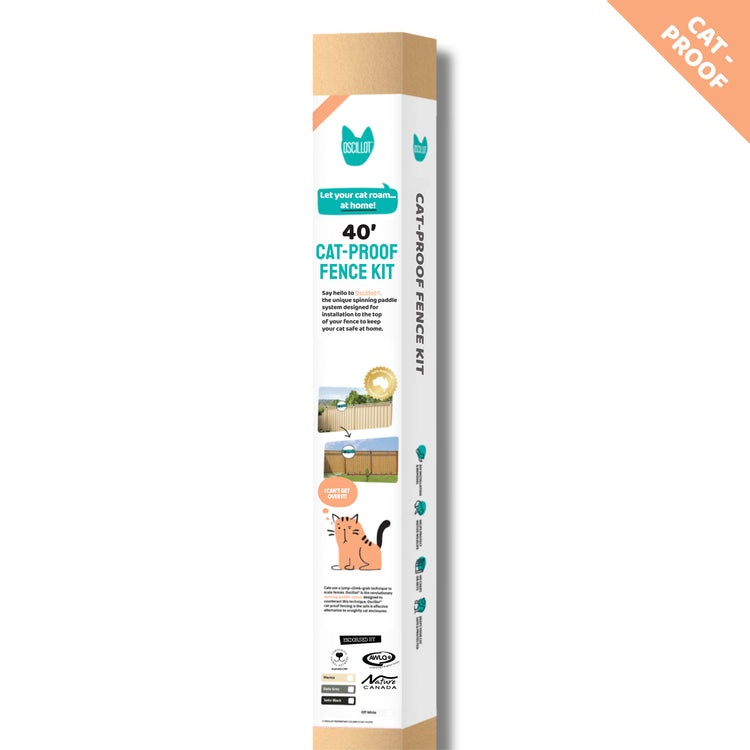
Fence kits such as 12', 16', 40', or 80' runs can frame these micro-areas, creating a protected “alley” where shy cats can move between the door and their favorite winter lookout without needing to cross an open yard.
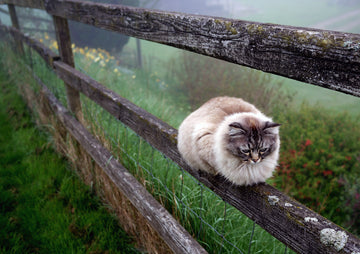
We also pay attention to sensory load. Snow dampens sound, but wind and cold can heighten smells and sudden noises, so physical barriers like fences and tree guards help break sightlines and provide a sense of enclosure.
A calming winter rest zone gives cats the choice to step outside, sniff the cold air, and retreat as soon as they feel they have had enough.
Winter-Safe Installations: Working With Snow, Ice, And Short Days
Installing or adjusting a fence-top system in winter requires planning for cold materials, limited daylight, and safety on ladders or along icy ground. We have tested and documented ways to manage these constraints.
We generally recommend scheduling work for dry, above-freezing windows when possible, and clearing ice or snow from fence caps before mounting hardware.
Practical Tips From Winter Installation Experience
When temperatures drop, some sealants and adhesives cure more slowly, so we suggest using mechanical fasteners as your primary attachment method. Pre-drilling pilot holes indoors where possible can also speed up the outdoor portion of the job.
Once installed, it helps to inspect paddles after major storms and brush off heavy snow so they continue to rotate freely. This quick habit keeps the barrier performing at its best throughout the season.
Lighting is another winter-specific factor. Because darkness falls early, it is wise to install or maintain your system during full daylight, then add soft yard lighting so you can still supervise your cat’s evening outdoor time safely.
With these steps, your winter rest zone can stay both secure and functional throughout the coldest months.
Healing And Recovery: Winter Rest Zones For Post-Surgery Or Senior Cats
Some of the most important winter rest zones we help design are for cats that are recovering from surgery or managing chronic health conditions. These cats benefit from fresh air and gentle enrichment but cannot risk jumping or extended roaming.
For them, a carefully measured, fully contained outdoor strip becomes a “healing track” where they can walk, sniff, and bask in winter sun for short periods.
Using Larger Kits For Shelter And Clinic Environments
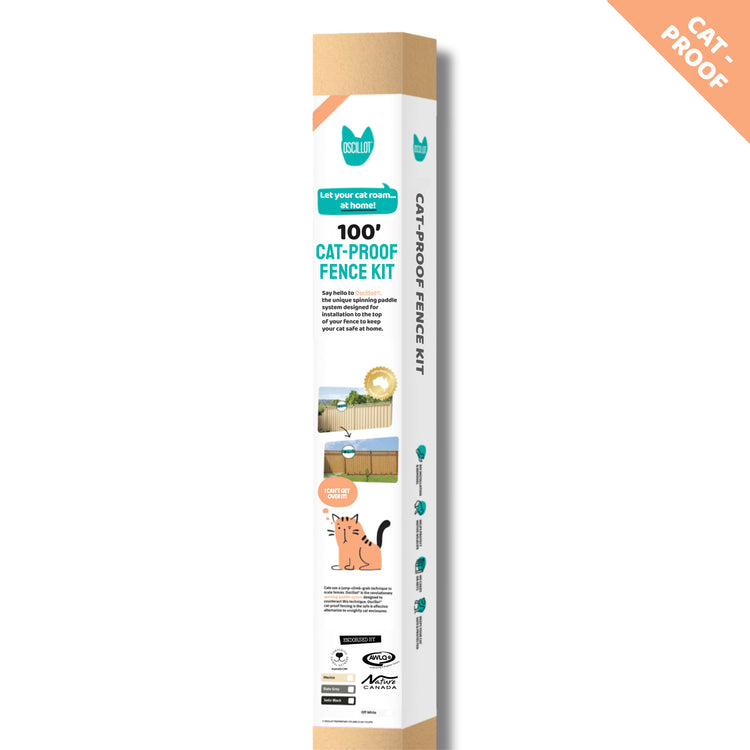
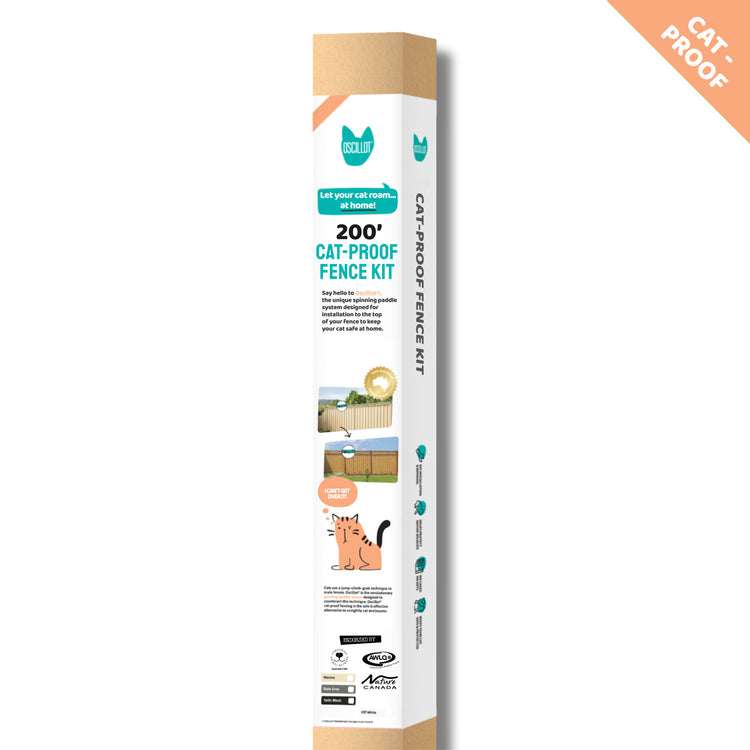
Animal shelters, sanctuaries, and veterinary clinics often need larger perimeters to give multiple cats controlled access to outdoor air. In these settings, kits in the 80', 100', 120', 200', or 300' range are common choices.
These longer runs allow for zoned sections, such as quiet recovery corners separate from more active play areas, all protected by the same overhead fence system.
Inside these professional enclosures, we suggest low, non-slip ramps, insulated hideaways, and raised beds that keep recovering cats off frozen ground. Because the fence system prevents climbing escapes, caregivers can focus on making the interior gentle and medically appropriate.
For senior cats, short winter outings in a secure rest zone can also support joint mobility and mental health without the risks of unsupervised roaming.
Integrating Trees, Posts, And Vertical Features Without Creating Escape Routes
Many cats love vertical exploration, and winter does not change that. The challenge is adding height without giving them a path out of the enclosure.
Trees, pergolas, and posts can become “launch platforms” if they sit too close to a fence top, especially when snow adds 6 to 12 inches of effective height under your cat’s paws.
Using Tree Guards And Strategic Hardware Placement
We address this by combining tree guards and precise hardware spacing. Purpose-designed tree guards wrap trunks to prevent climbing, so your cat cannot scramble up and over a branch that hangs near the fence line.
Our post kits and brackets also let you angle paddles or extend their reach slightly around awkward corners, which helps close off potential escape angles created by nearby structures.
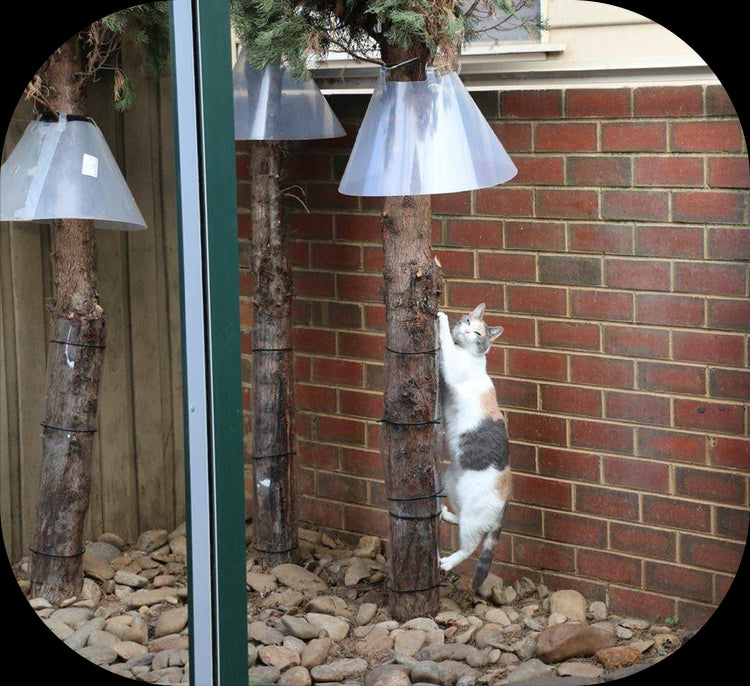
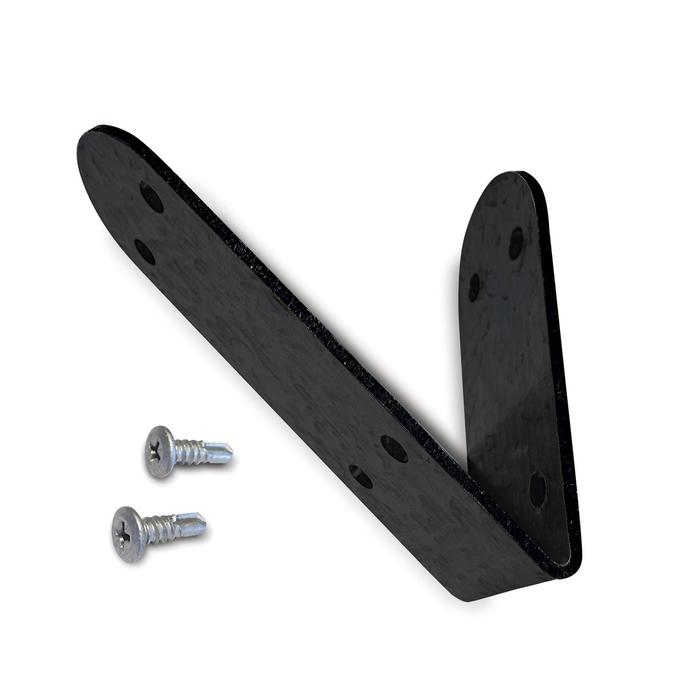
We encourage you to look up from your cat’s favorite winter perch and imagine where they could go with just one strong jump. If that landing spot is close to the fence line, it is a good candidate for extra paddles, guards, or layout adjustments.
This attention to vertical planning keeps winter rest zones enriching without putting curious climbers at risk.
Real-World Examples: Customer Winter Rest Zones And Layout Ideas
Seeing finished spaces often makes it easier to picture what is possible in your own yard. Our community has installed cat-proof fence systems on timber, masonry, and chain-link fences in a wide range of climates.
In snowbelt towns, customers frequently pair Oscillot paddles with simple wooden shelters, insulated boxes, or covered benches along house walls, giving cats sheltered rest points only a few steps away from the back door.
Gallery Inspiration For Cold-Climate Yards
In some installations, paddles run along the top of tall wooden fences that border evergreen plantings, turning that strip into a quiet winter “forest track” for cats who like to patrol even in cold weather.
Other customers place the system on chain-link or metal fences, using it to define a multi-season catio that works in both summer and winter without needing to move panels or netting.

These real-world examples show that winter rest zones do not have to be complicated to work well. A secure perimeter, a few well-placed shelters, and a plan for snow and ice management go a long way.
From there, you can personalize with cat-safe evergreens, climbing toys, or viewing shelves that make winter outings something your cat looks forward to.
Conclusion
Designing winter rest zones for cats in cold climates starts with one clear goal, a space that feels safe, warm, and contained every time your cat steps outside. With a secure fence-top system, thoughtful layout, and weather-aware details, you can let your cat enjoy snowflakes and fresh air without the risks of roaming.
Whether you are securing a small 4‑foot run on a townhouse patio or a 300‑foot perimeter for a rescue facility, we are here to help you choose the right kits, plan your layout, and build a winter-ready outdoor space that works for both you and your cat season after season.


