


Building a Safe Outdoor Zone for a Cat Family: Step-by-Step Guide

Multi-cat households are increasingly common across America. According to the American Pet Products Association, homes with cats average nearly two felines per household, with many families welcoming three, four, or even more cats into their lives. For these cat families, creating a safe outdoor environment presents unique challenges - but also remarkable rewards. This step-by-step guide walks you through building the perfect outdoor sanctuary for your entire cat family.
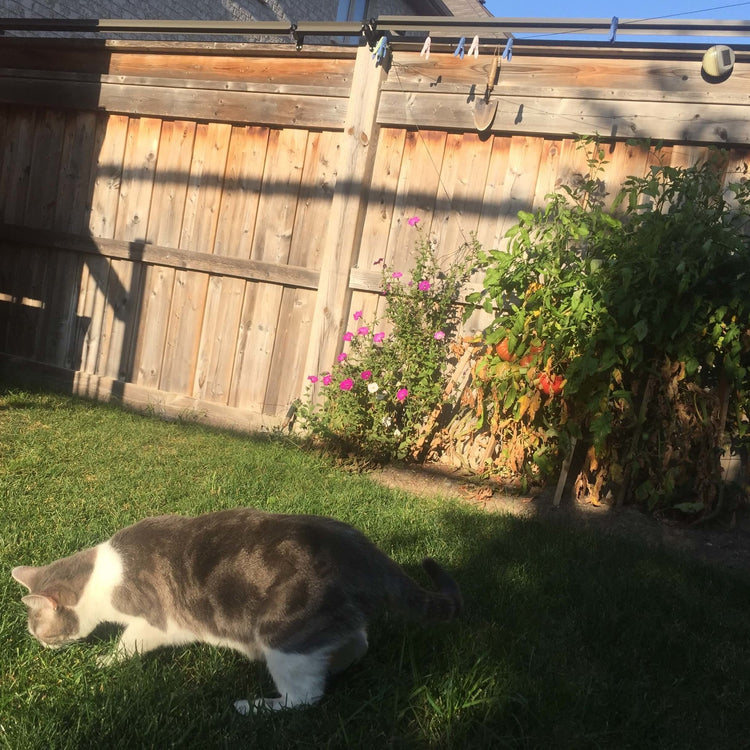
Why Multi-Cat Households Benefit from Outdoor Access
In multi-cat homes, indoor space limitations can create territorial tensions. Cats are naturally territorial animals who need personal space and the ability to retreat when overwhelmed. A secure outdoor zone effectively multiplies available territory, providing several benefits:
- Reduced inter-cat aggression: More space means less competition
- Multiple resource locations: Outdoor areas provide additional food, water, and resting spots
- Escape routes: Cats can retreat outdoors to decompress
- Environmental enrichment: Natural stimulation reduces boredom-based conflicts
- Exercise opportunities: More active cats are healthier and less destructive
However, free-roaming outdoor access is never the solution. American cats face dangers from traffic, predators (especially coyotes in 49 states), disease transmission, and human cruelty. The answer is contained outdoor access - secure space that provides benefits without risks.
Step 1: Assess Your Yard's Potential
Measure Your Fence Line
Walk your complete property perimeter with a measuring tape. Common American yard sizes:
- Small urban lot: 60-100 linear feet of fence
- Standard suburban lot: 150-250 linear feet
- Large suburban/rural lot: 300+ linear feet
Use Oscillot's fence calculator to determine exactly how many components you'll need.
Identify Fence Types Present
Many American properties feature multiple fence types. Oscillot systems work with:
- Timber/wooden fences (most common in suburban America)
- Chain-link fences
- Vinyl/PVC fencing
- Steel/aluminum fencing
- Masonry/brick walls
Important: Fences must be at least 6 feet tall for effective cat containment. Cats can jump 6 feet vertically - lower fences won't contain determined climbers.
Step 2: Select Your Containment System
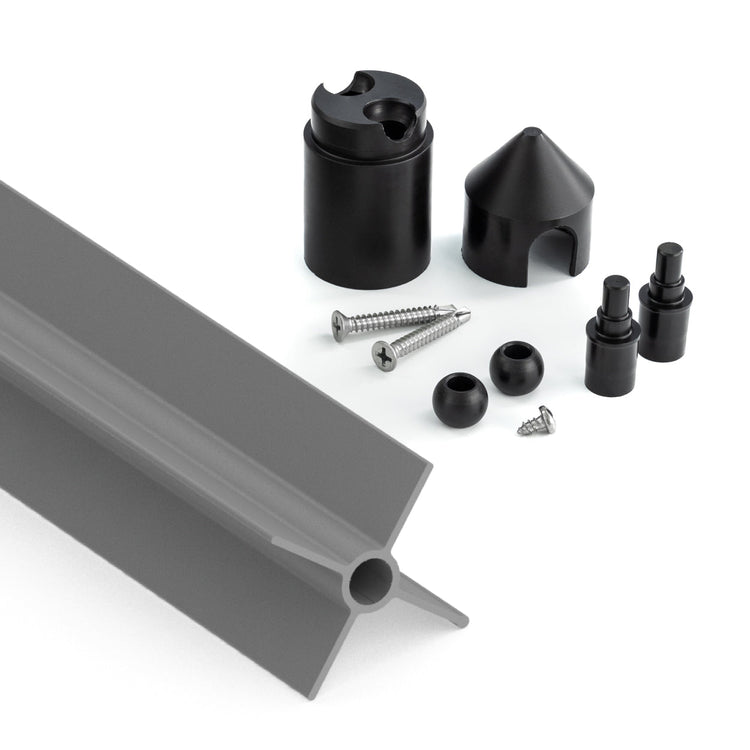
Oscillot is the original spinning-paddle cat-proof fence system, invented in Australia and now serving American cat families from their North Carolina distribution center.
How It Works
Four-bladed paddles mount along your fence top on posts containing sealed bearings. When cats attempt to grab the fence top, paddles spin instantly, denying grip. Cats fall safely back into the yard. There are no electric shocks, no cages, and no netting - just elegant mechanical simplicity.
Choosing Materials
| Vinyl Paddles | Aluminum Paddles |
|---|---|
| More affordable option | Premium durability |
| Great for moderate climates | Excellent for extreme weather |
| Lighter weight | Superior impact resistance |
| 3-year warranty | 3-year warranty |
For multi-cat households, consider aluminum for durability - multiple cats testing the system means more use over time.
Kit Sizing for Cat Families
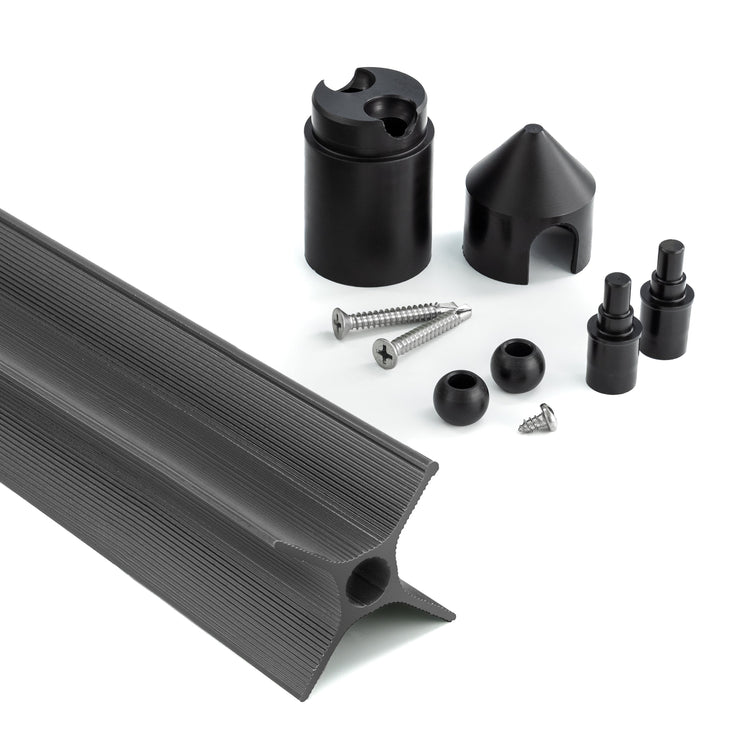
Cat-proof fence kits pricing:
- 60' Kit: $443 (was $554) - Small urban yards
- 100' Kit: $710 (was $888) - Standard suburban lots
- 120' Kit: $852 (was $1,065) - Larger properties
- 200' Kit: $1,351 (was $1,689) - Large yards
- 300' Kit: $2,027 (was $2,534) - Maximum coverage
Orders over $700 qualify for free shipping anywhere in the USA.
Step 3: Prepare Your Fence for Installation
Clear the Fence Line
- Trim bushes and shrubs growing against fence panels
- Remove any objects cats could use as launching platforms near fences
- Cut back tree branches overhanging fence lines
- Clear debris from fence tops
Inspect and Repair
- Check for loose or rotting fence boards
- Ensure posts are secure and stable
- Repair any gaps where cats could squeeze through
- Verify minimum 6-foot height throughout perimeter
Gate Considerations
Oscillot can install over gates, but ensure gates still open properly. For arched gates, UV-treated polycarbonate sheets create flat mounting surfaces.
Step 4: Install Your System
Oscillot was designed for DIY installation. Most homeowners complete installation in just a few hours.
Tools Needed
- Power drill with appropriate bits
- Screwdriver
- Measuring tape
- Hacksaw (for cutting paddles to size)
- Level
- Ladder or step stool
- Safety glasses
Basic Installation Process
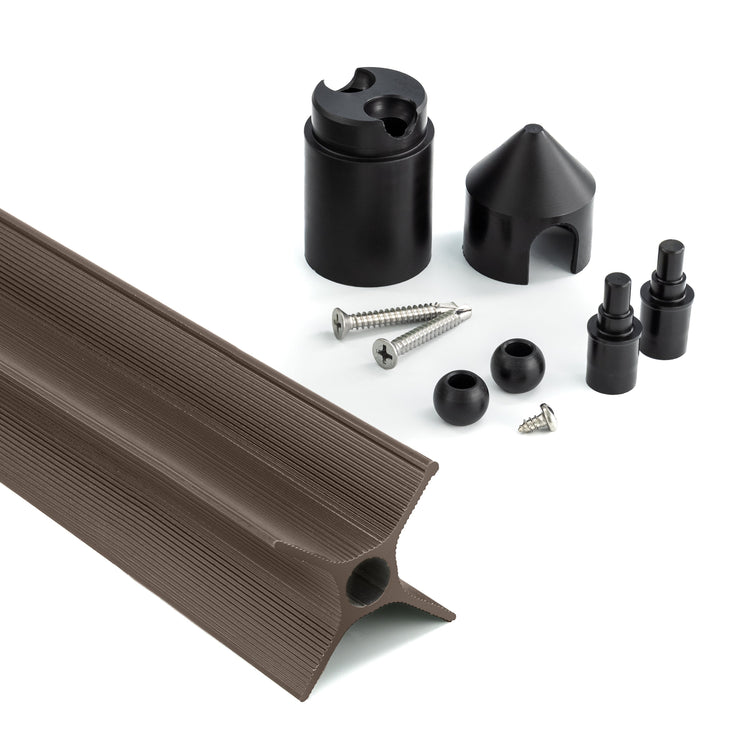
- Mount Dual Knuckle Post Kits at corners and endpoints
- Space intermediate posts every 4 feet along fence line
- Thread paddle assemblies between posts
- Secure with axle pins ensuring free spinning
- Test all paddles rotate smoothly
Download the complete DIY installation guide for detailed instructions.
Short on time? TaskRabbit is Oscillot's official installation partner. Schedule professional help in just a few clicks.
Step 5: Address Escape Routes
Tree Management
Trees near fences are highways for escaping cats. Two options:
Option A: Remove or trim trees so no branches are within 6 feet of fence lines.
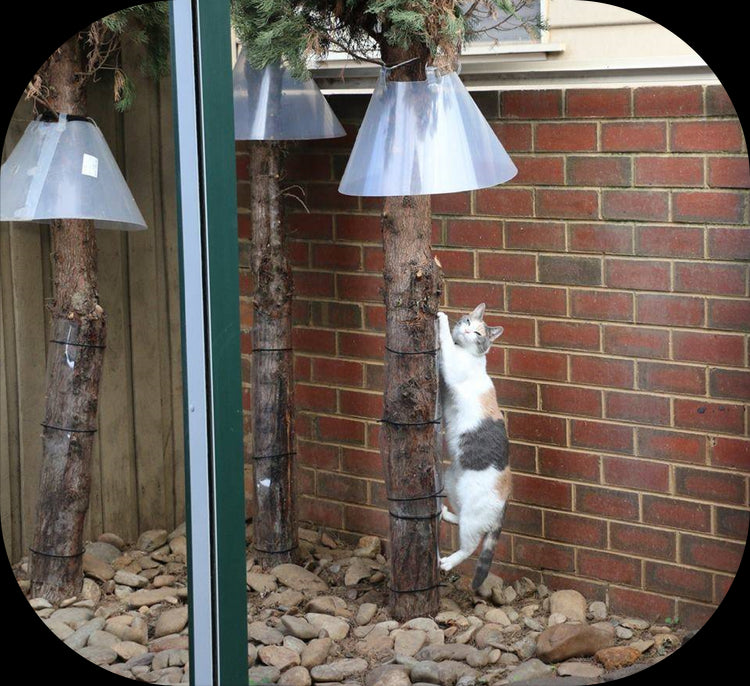
Option B: Install Oscillot Cat Tree Guards ($29.99 each) around trunk bases. These use the same spinning paddle technology to prevent climbing.
Block Gaps and Tunneling
- Fill any gaps beneath fence panels
- Add chicken wire or landscape fabric buried at fence base for diggers
- Check where fence meets structures (houses, sheds) for gaps
Step 6: Design Enrichment Zones
A secure perimeter is just the beginning. Create an engaging outdoor environment for your cat family:
Vertical Space
Cats use height to establish hierarchy and feel secure. Add:
- Outdoor cat trees (positioned away from fence lines)
- Wall-mounted shelves below the Oscillot system
- Sturdy branches at accessible heights
- Platform perches at various levels
Multiple Hiding Spots
Multi-cat families need retreat options:
- Dense shrub plantings (cat-safe varieties only)
- Outdoor cat houses with multiple entrances
- Covered areas under decks or raised structures
- Hollow logs or garden features
Resource Distribution
Reduce competition by providing:
- Multiple water stations throughout the space
- Several comfortable resting areas
- Sun and shade options in different zones
Step 7: Introduce Your Cat Family
Individual Introductions First
- Introduce each cat to the space individually
- While holding the cat, let them touch a paddle and feel it spin
- Allow 15-30 minute supervised solo sessions
- Continue solo sessions for 3-5 days per cat
Paired Introduction Phase
- Introduce cats who already have positive relationships together
- Keep sessions short (20-30 minutes initially)
- Ensure ample escape routes and resources
- End sessions before any tension develops
Full Family Access
- Gradually allow larger groups based on relationship dynamics
- Continue supervision until confident in all cats' behavior
- Watch for positive signs: relaxed postures, parallel play, social grooming
Budget Planning for Cat Families
Typical investment for a standard suburban yard with multiple cats:
| Component | Cost |
|---|---|
| 100' Cat-Proof Fence Kit | $710 |
| Tree Guards (2-3) | $60-90 |
| Extra Brackets (if needed) | $15-30 |
| Total | $785-830 |
With free shipping on orders over $700, 3-year warranty, and 60-day money-back guarantee, your investment is protected.
The Benefits of Outdoor Access for Cat Families
Cat owners who create secure outdoor zones consistently report:
- Dramatically reduced inter-cat aggression
- Improved overall cat health and weight management
- Less destructive indoor behavior
- Calmer, more content cats
- Stronger social bonds between cats
Research shows cats with safe outdoor access live healthier, happier lives - and cats kept safely at home live an average of 8+ years longer than free-roaming cats.
Start Building Your Cat Family's Outdoor Paradise
More than 19,000 cat owners worldwide trust Oscillot to keep their cats safe while enabling outdoor enrichment. The system is endorsed by Nature Canada, Animal Welfare League of Australia, and other major animal welfare organizations.
Visit OscillotAmerica.com to explore kit options, use the fence calculator, and start your journey toward giving your cat family the outdoor space they deserve.


