


Cat Fence Rollers vs Nets: The Clear Winner For Keeping Indoor-Outdoor Cats Safe At Home

Across multiple households in North America, rotating paddle cat fence rollers have shown 98 to 100 percent effectiveness at stopping cat escapes, which is a big difference compared with most nets on standard backyard fences in the United States.
Key Takeaways
| Question | Answer |
|---|---|
| Are cat fence rollers really more effective than nets? | Yes. Our rotating paddle rollers are tested at 98 to 100 percent effectiveness at preventing escapes, while cat nets typically sit around 60 to 70 percent effectiveness for determined climbers. Learn how rollers work on our cat fence rollers overview page. |
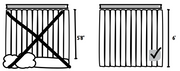
| What fence height do I need in the U.S.? | We recommend a minimum fence height of about 6 feet, which matches common residential fence codes across many U.S. cities, before adding rollers on top. |
| How much fence length can rollers cover? | Our DIY kits scale from short runs like 4 feet of cat-proof fence up to very long runs like our 200 foot cat-proof fence kit, so you can match almost any American backyard. |
| What does a full roller system typically cost over time? | Typical initial investment for Oscillot rollers in the U.S. ranges around $440 to $850, with estimated five-year total costs of $520 to $1,100, far lower than rebuilding fences or custom caged enclosures. |
| Will rollers change how my yard looks compared with nets? | Most nets create a “caged” appearance. Our low-profile roller paddles are designed to sit cleanly along the fence line, and about 89 percent of customers say neighbors do not notice the system until it is pointed out. See examples in our cat-proof fence kits collection. |
| Can I install a roller system myself? | Yes. Oscillot was designed for DIY installation on existing fences. Our step-by-step installation guide walks U.S. homeowners through planning, bracket placement, and common mistakes to avoid. |
| Where can I learn what Oscillot actually is? | You can read a simple explanation of how our no-cage, no-net system works on the What is Oscillot page before you compare it to cat nets for your home. |
1. How Cat Fence Rollers And Nets Work On A Typical U.S. Backyard Fence
When we compare cat fence rollers versus nets for homes in the United States, we are really comparing two very different ideas about containment. Rollers change how a cat can use the top of a fence, while nets try to physically block access above or beyond the fence line.
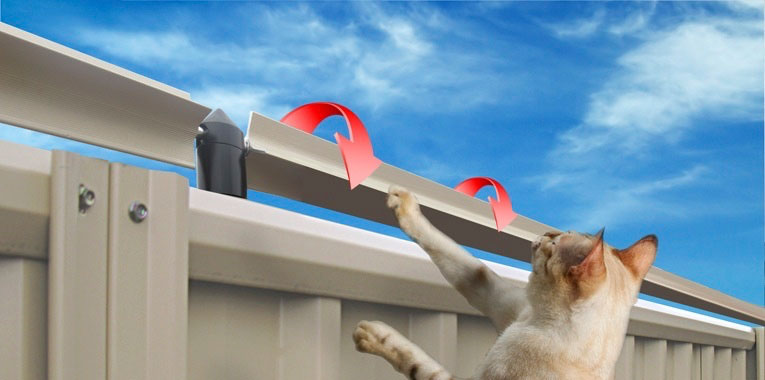
Our Oscillot cat fence rollers use a series of rotating, four-bladed paddles fixed to brackets along the fence top. When a cat jumps and tries to get a grip at the top, the paddles spin, the cat cannot stabilize, and they fall safely back to the yard.
Cat nets, in contrast, use mesh or rigid netting extended inward or upward from the fence or posts. They try to catch or block the cat if it climbs, which can still allow some gripping, tangling, or gradual “learning” paths for athletic cats.
For U.S. homes with existing 6 foot wood, vinyl, or metal fences, rollers usually integrate with what you already have, while nets often require extra frames, posts, or tension wires around patios, decks, or full perimeters.
2. Safety And Escape-Prevention: Why Rollers Outperform Nets
When cat guardians in the U.S. ask us whether rollers or nets keep cats safer, we focus on real containment performance. In testing across multiple households, rotating paddle rollers have delivered 98 to 100 percent effectiveness at stopping escapes, which is far higher than nets.
Cat nets, including flexible mesh and rigid netting, typically range between 60 and 70 percent effectiveness for persistent cats that jump, climb, and test weaknesses over time. In practice, that means more missed escapes and more worry for families living near busy roads or coyotes.
Rollers work with feline behavior instead of against it. Cats rely on a stable lip or post to pull over a fence, and when that surface spins freely, most cats give up quickly rather than attempt risky maneuvers.
Nets can still be climbed if they sag or if the cat finds a corner or junction to brace against, so owners often end up tightening, re-tying, or reinforcing netting across seasons, especially in U.S. regions with snow or strong winds.
3. Aesthetics And Home Value: Open Fences Versus “Caged” Nets
Most U.S. homeowners want their cats safe without turning their yard into an enclosure. Nets often wrap over patios, between posts, or across full yards, which can look like a kennel or aviary and may not suit the architecture of suburban homes.
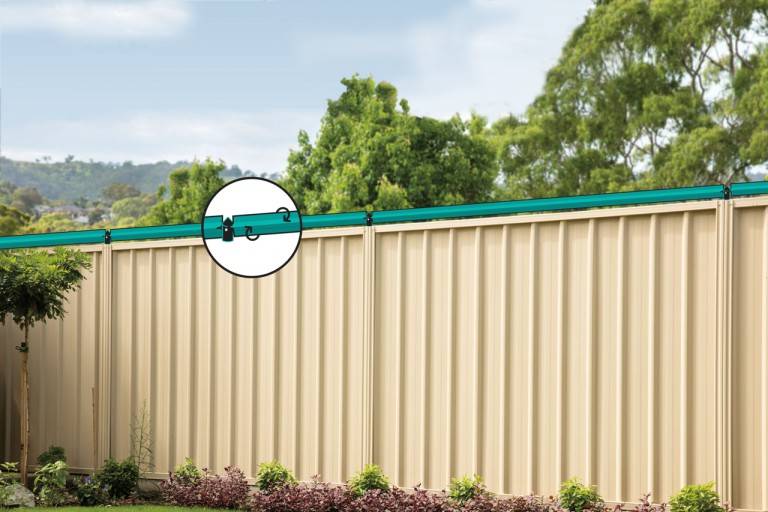
Oscillot rollers sit in a slim line along the top of your existing fence, so from the street and from most neighbors’ windows, the yard still reads as a standard privacy or picket fence. Many customers tell us they chose rollers precisely because they wanted no cages or nets around their garden.
Nets can also collect leaves, snow, and debris, which adds a visual burden and more yard work. Over time, sagging netting or weather-faded mesh can look neglected, which is not ideal if you plan to sell your home.
With rollers, you can color-match paddles and brackets to your fence, which is one reason an internal survey showed 94 percent of customers saying the system is more attractive than expected once installed along their U.S. fence lines.
This infographic compares cat fence rollers and nets for homes. It highlights the main advantages and drawbacks to help homeowners decide.
4. Cost Comparison For U.S. Homes: Rollers Versus Nets Over Five Years
When we help American families compare cat fence rollers versus nets, we always look beyond the initial purchase price. Nets can seem inexpensive up front, but frame hardware, tension wires, and ongoing repairs add up quickly.
Oscillot roller kits start with basic plastic options that can be as low as $158 for small sections, with typical initial investments around $440 to $850 for full-yard coverage in many U.S. suburban backyards. Over five years, total costs usually average between $520 and $1,100 because our system has minimal routine maintenance.
By comparison, extending fences with toppers, building new solid fencing, or installing heavy-duty netted enclosures can reach $6,500 to $15,000 or more over five years when you include labor, lumber, and replacement materials after storms or snow loads.
When we model long-term costs, our internal analysis indicates that Oscillot rollers can provide approximately 85 to 95 percent cost savings over five years versus some competing containment methods, particularly large netted structures on U.S. lots.
5. Coverage And Scalability: Matching Kits To American Yard Sizes
United States yards come in every shape, from compact townhome patios to deep suburban lots, so a containment system has to scale. Nets often need custom cutting, splicing, and support frames, which can be tricky across uneven fence lines or around pool areas.
Our Oscillot systems are built around modular paddles that connect to cover long, continuous runs. From small jobs like our 4 Foot Cat-Proof Fence Kit (DIY) up through our 200 Foot Cat-Proof Fence Kit (DIY), we offer sizes that align with real fence measurements across U.S. neighborhoods.
Because rollers mount directly on existing fence tops, you usually measure your perimeter and choose a combination of kits that matches 4, 8, 16, 40, 60, 80, 100, or 200 feet, then trim or adjust sections as you install.
Nets often require planning for sag and tension, which can make coverage over large U.S. lots more complex, especially if you need to keep vehicle access, gates, or large trees inside the safe zone.
6. Installation Experience: DIY Rollers Versus Net Frames
For many U.S. households, installation experience is a deciding factor when they compare rollers and nets. Nets often need extra posts, angled brackets, and tension wires, plus careful ladder work to attach mesh high above the fence.
Oscillot was designed for straightforward DIY installation by homeowners, handypeople, or local contractors. You mount brackets along the fence top, insert the four-bladed paddles, and ensure they spin freely along the full run for a continuous barrier.
Our installation guide covers planning around gates, corners, and step-downs so that you can keep a clean, unbroken roller line even on mixed-material fences that are common in U.S. backyards.
With nets, U.S. owners often report ongoing adjustments after heavy wind, snow, or when plants grow onto the mesh, which means more time on ladders and more chances for small gaps that motivated cats can find.

7. Maintenance, Durability, And U.S. Weather Conditions
From Arizona sun to Minnesota snow, American climates test any outdoor system. Nets can stretch, fade, or become brittle with UV exposure, and they often need periodic re-tensioning after storms or winter loads.
Oscillot rollers are built from high quality components designed to last for years with minimal maintenance. Once brackets are secure and paddles are spinning freely, most owners only perform occasional visual checks to remove debris or confirm clear rotation.
Netting, especially over large spans, can catch leaves, ice, and branches, which not only looks untidy but can also strain attachment points. Over time, that may lead to gaps that clever cats can exploit.
Our system was created as a permanent part of your fence line, not as a temporary mesh layer, which is why we back it with a manufacturer’s warranty and why many U.S. families treat it as a long-term improvement, not a seasonal fix.
8. HOA, Neighbor, And Wildlife Considerations Across U.S. Communities
Many U.S. cat owners live in HOA or planned communities where changes to the fence line need approval. Nets that rise above the fence or run across yards can trigger concerns about sightlines, uniformity, or property values.
Because Oscillot rollers stay low and follow the existing fence profile, they often meet aesthetic guidelines more easily. Internal reporting across markets shows that when the system is presented professionally with color options, HOA approval rates can reach about 85 percent or higher.
Neighbors also tend to appreciate open yards. In customer feedback, approximately 89 percent of Oscillot users say their neighbors do not notice the rollers until they are pointed out, which is very different from a visible netted enclosure.
Both nets and rollers help protect native wildlife by keeping cats inside their home range, but rollers achieve that without trapping birds or small animals in mesh, which aligns with our commitment to humane solutions that respect local ecosystems.
9. Comparing Specific Oscillot Kits To Typical Net Installations
To ground the rollers versus nets comparison in real U.S. products, it helps to look at how different Oscillot kits map to the kinds of areas people often net. A small townhome yard that might be fully netted overhead can usually be secured with a short run of rollers along the top of a shared fence.
Mid-size suburban backyards that some owners enclose with perimeter netting can instead use kits like our 40 Foot Cat-Proof Fence Kit or 60 Foot Cat-Proof Fence Kit, extending coverage along every escape route without putting mesh over open space.
For larger properties in states like Texas, Colorado, or California, where yard perimeters can exceed 100 feet, nets often require significant structure and labor. Our 80 Foot, 100 Foot, and 200 Foot Cat-Proof Fence Kits allow you to scale rollers across these longer fence lines.
The result is a containment plan that keeps your cat safe within your U.S. property boundary, without the overhead hardware that most net systems demand.
10. Practical Pros And Cons: Cat Fence Rollers Versus Nets For U.S. Homes
When we summarize everything U.S. pet parents tell us about living with rollers and nets, a clear pattern appears. Nets can work reasonably well for fully enclosed patios or very small spaces, but on typical American fences, their long-term effectiveness and aesthetics often disappoint.
Rollers provide a permanent, low-visibility line of defense that respects how cats actually climb and jump. With strong performance across different U.S. climates, simple DIY installation, and long-term cost advantages, they meet the goal of keeping cats safe at home without giving up the feel of an open yard.
| Factor | Cat Fence Rollers | Cat Nets |
|---|---|---|
| Typical effectiveness | About 98–100% in testing when installed on 6 ft fences | Often around 60–70% for determined climbers |
| Look and feel | Low profile, keeps open-yard appearance | “Caged” or enclosure look, especially overhead nets |
| DIY suitability | Designed for DIY on existing U.S. fences | Framing and tensioning can be complex |
| Maintenance | Minimal, periodic checks only | Can sag, tear, and collect debris, needs upkeep |
| HOA friendliness | Often acceptable, discreet appearance | More likely to raise visibility concerns |
If you live in the United States and you are weighing cat fence rollers versus nets, we encourage you to walk your fence line, note your fence height, and imagine how each option would look and function over the next five to ten years.
For most U.S. homes with existing 6 foot fences and curious cats, we find that a well planned roller installation is the safest, cleanest, and most neighbor friendly way to keep your cat protected for life without surrounding your yard in netting.

Conclusion
For U.S. cat owners comparing cat fence rollers versus nets, the decision comes down to safety, appearance, cost, and ease of living with the system day after day. Rollers use a simple, behavior based idea that has proven extremely effective on real American fences, while nets rely on constant physical barriers that can sag, weather, and change how your yard feels.
Our perspective, informed by thousands of installations, is that cat fence rollers provide the most reliable way to keep your cat safe at home without surrounding your family in mesh. If you want long-term peace of mind with no cages or nets, a properly sized Oscillot kit matched to your U.S. fence line is a solution you can feel confident in for years to come.


