


How to Support Social Cat Behavior With Safe Outdoor Spaces

For generations, cats have been unfairly labeled as antisocial, aloof creatures who barely tolerate human companionship. Modern feline behavioral science tells a very different story. Cats are actually sophisticated social animals with complex relationship needs. For American cat owners looking to nurture healthy social behaviors in their felines, secure outdoor spaces offer powerful benefits that indoor environments simply cannot replicate.
The Truth About Feline Social Behavior
Research into wild and feral cat colonies has revolutionized our understanding of cat social structures. Far from being loners, cats in natural environments form complex social hierarchies, develop lasting friendships, cooperate in raising young, and engage in sophisticated communication.
Domestic cats retain these social instincts, but cramped indoor environments can suppress natural social expression. Signs of suppressed social behavior include:
- Inter-cat aggression: Fighting between household cats
- Excessive territorial marking: Spraying or inappropriate elimination
- Hiding and withdrawal: Cats retreating from family interaction
- Attention-seeking behavior: Excessive vocalization or clinginess
- Depression and lethargy: Loss of interest in play or exploration
- Overgrooming: Stress-related fur pulling or licking
Providing safe outdoor access can dramatically improve these behaviors by satisfying cats' natural needs for territory, exploration, and environmental complexity.
Why "Safe" Outdoor Access is Non-Negotiable
Simply letting cats roam freely is never the answer. Free-roaming cats in America face catastrophic risks:
- Traffic accidents: One of the leading causes of death for outdoor cats
- Predator attacks: Coyotes have expanded into 49 states and actively hunt cats
- Cat fights: Resulting in injuries and disease transmission (FIV, FeLV)
- Toxin exposure: Pesticides, antifreeze, rat poison
- Theft and cruelty: A documented risk in many communities
The solution is contained outdoor access - delivering the benefits of outdoor enrichment while eliminating the dangers. This is precisely what Oscillot cat-proof fence systems provide.

How Outdoor Space Supports Healthy Social Development
Territory Expansion Reduces Conflict
In indoor-only environments, cats must share every square inch of available space. This density triggers territorial conflict, especially in multi-cat households. A secure backyard effectively doubles or triples available territory, allowing cats to establish personal zones while maintaining positive social connections.
Research suggests cats need approximately 18-30 square feet of personal space to feel comfortable. Most American backyards provide abundant additional territory when properly secured.
Shared Experiences Build Bonds
Outdoor environments provide endless shared experiences - watching birds together, stalking insects, feeling wind and sun. These experiences create bonding opportunities. Cats who explore outdoors together often develop stronger social bonds than those confined to predictable indoor environments.
Natural Hierarchy Establishment
Outdoor spaces with vertical elements (elevated perches, climbing structures) allow cats to establish natural hierarchies without conflict. Higher positions signal status without requiring confrontation.
The Oscillot Solution for Social Outdoor Access
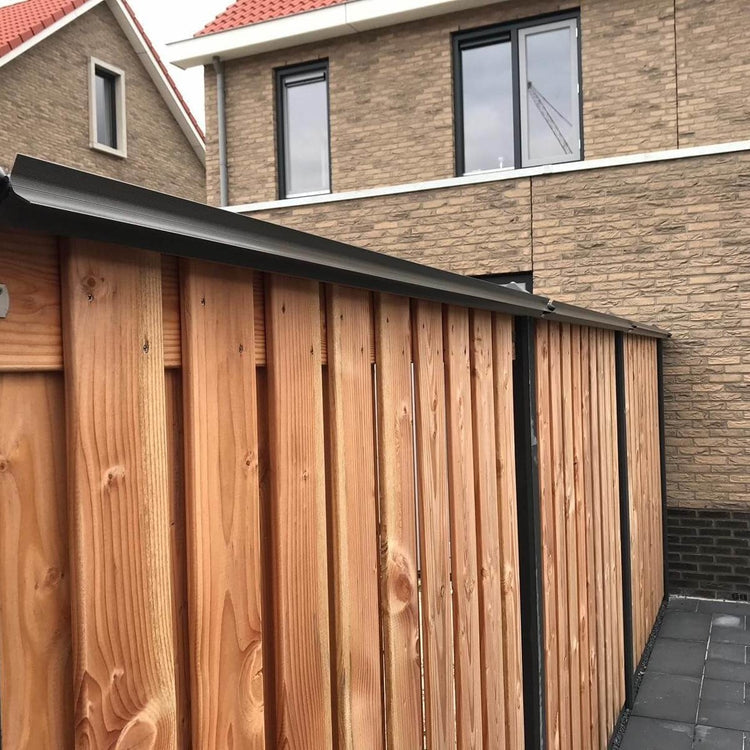
Oscillot cat-proof fence kits provide reliable containment without the psychological drawbacks of cages, nets, or electric systems. The spinning paddle design allows cats the comfort of seeing beyond their territory while physically preventing escape.
Why Oscillot Supports Social Wellbeing
- No visible barriers: Cats can see the wider world, reducing frustration
- Non-punishing: No electric shocks that create fear associations
- Freedom of movement: Entire yard becomes accessible territory
- Multiple cats can share: Ample space for complex social dynamics

Kit Options for Creating Social Outdoor Spaces
Pricing for Oscillot cat-proof fence kits:
| Kit Size | Sale Price | Best For |
|---|---|---|
| 60 feet | $443 | Small urban yards |
| 100 feet | $710 | Standard suburban lots |
| 120 feet | $852 | Larger properties |
| 200 feet | $1,351 | Large yards, multiple cats |
Free shipping on orders over $700. 3-year warranty and 60-day money-back guarantee on all purchases.
Designing Outdoor Spaces for Multiple Cats
Create Multiple Vertical Zones
Height is hierarchy for cats. Include:
- Outdoor cat trees at different heights (positioned away from fence lines)
- Wall-mounted perches at varying levels
- Sturdy branches or climbing structures
- Platform viewing stations for territory surveillance
Provide Abundant Resources
Rule of thumb: One resource per cat, plus one extra. This applies to:
- Water stations
- Resting/sunning spots
- Hiding locations
- Scratching posts
Include Multiple Escape Routes
Confident social behavior requires cats to know they can retreat if needed. Create:
- Multiple hiding spots (shrubs, cat houses, covered areas)
- Several pathways through the space
- Easy indoor access points

Tree Guards for Complete Security
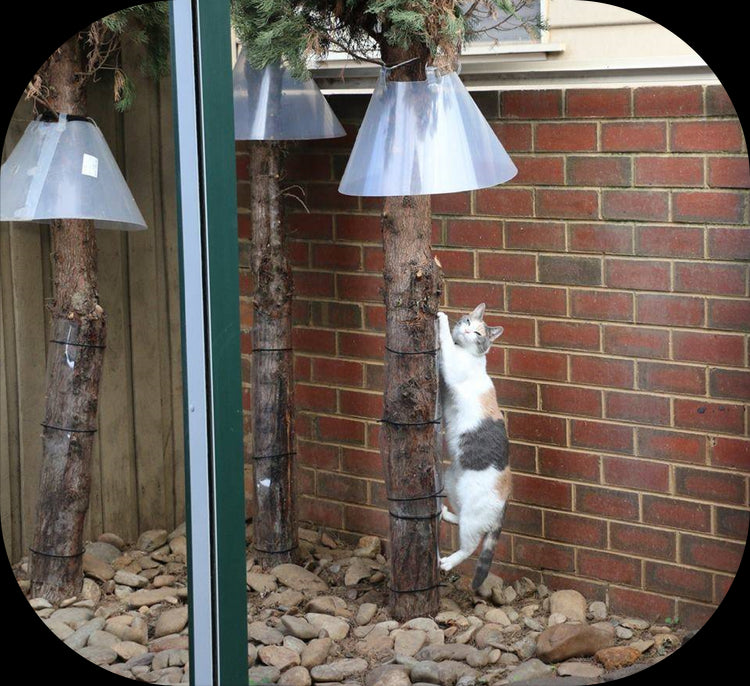
Trees near fence lines allow cats to bypass containment. Install Oscillot Cat Tree Guards ($29.99 each) around trunk bases using the same spinning paddle technology.
Introducing Cats to Shared Outdoor Space
Phase 1: Individual Introduction (Days 1-7)
- Introduce each cat to the outdoor space individually
- While holding cat, let them touch a paddle and feel it spin
- Allow 15-30 minute supervised solo sessions
- Build familiarity before social interaction
Phase 2: Paired Introduction (Days 8-14)
- Introduce cats with existing positive relationships first
- Keep sessions short (20-30 minutes)
- Ensure ample resources and escape routes
- End sessions before any tension develops
Phase 3: Full Group Access (Week 3+)
- Gradually allow larger groups based on observed dynamics
- Continue supervision until confident in all relationships
- Watch for positive signs: parallel play, social grooming, relaxed postures
Observable Social Benefits
Cat owners who provide secure outdoor access consistently report remarkable improvements:
- Reduced aggression: More territory means less competition
- Increased play behavior: Outdoor stimulation energizes cats
- Social grooming: Often increases in outdoor settings
- Better sleep patterns: Outdoor activity creates healthier rest
- Decreased marking: Territory feels more secure
- Weight management: More activity maintains healthy weight
- Calmer indoor behavior: Satisfied cats are relaxed cats
Investment in Feline Wellbeing
Typical costs for creating a social outdoor space:
| Component | Cost Range |
|---|---|
| Oscillot 100' Cat-Proof Kit | $710 |
| Tree Guards (2-3) | $60-90 |
| Extra Brackets | $15-30 |
| Total | $785-830 |
Compare this to ongoing costs of behavioral medications, veterinary visits for stress-related illness, or replacing furniture damaged by frustrated cats. The one-time investment in proper outdoor space pays dividends for years.
The Science of Feline Happiness
Environmental enrichment, including safe outdoor access, is now recognized as a crucial component of feline welfare. Cats with access to complex environments show improved cognitive function, reduced stress hormones, and better social relationships.
More than 19,000 cat owners worldwide trust Oscillot to keep their cats safe while enabling enriched, socially fulfilling lives. The system is endorsed by Nature Canada, Animal Welfare League of Australia, and other major animal welfare organizations.
Visit OscillotAmerica.com to explore your options and take the first step toward supporting your cats' social wellbeing through safe outdoor access.


