


Oscillot ROI: Calculating Long-Term Savings vs. Other Containment Methods in North America

Your Investment in Escape Prevention is an Investment in Lifestyle
North American pet owners make significant financial commitments to keep their cats safe and enriched. But understanding the true return on investment (ROI) from different containment solutions reveals which options are genuinely cost-effective versus which create hidden expenses and ongoing financial burdens. The difference isn't just about money—it's about peace of mind, your cat's wellbeing, and making a decision that pays dividends for years to come.
Most North American property owners focus exclusively on initial purchase price when comparing pet containment systems. This approach overlooks critical hidden costs that significantly impact long-term value and can transform what appears to be an economical choice into an expensive mistake. By understanding the full financial picture, you can make an informed decision that protects your investment while ensuring your cat's safety.
The Complete Cost Structure: Understanding Hidden Expenses
When comparing pet fencing solutions, overlooking hidden costs leads to poor financial decisions. Beyond the initial installation, consider these often-invisible expenses:
- Professional installation labor: $200–$500 for most systems
- Annual maintenance and repairs: $300–$500 per year (often escalating)
- Replacement components and degradation: $500–$1,500 per incident
- Veterinary care from escape incidents: $1,000–$5,000 per escape event
- Operational expenses: Electricity, battery replacement, monitoring
- Liability insurance implications: Increased premiums if pets escape
- Behavioral issues and treatment: Anxiety-related veterinary costs $400–$800/year
Oscillot's business model is built on transparency and genuine long-term value. Unlike competitors who benefit from repeat replacements and repairs, Oscillot systems are designed to last indefinitely with minimal maintenance.
Oscillot System: Complete Five-Year Financial Analysis
Let's examine the true cost of ownership using a realistic 20-foot installation scenario—a typical residential property with 3–4 escape-prone cats:
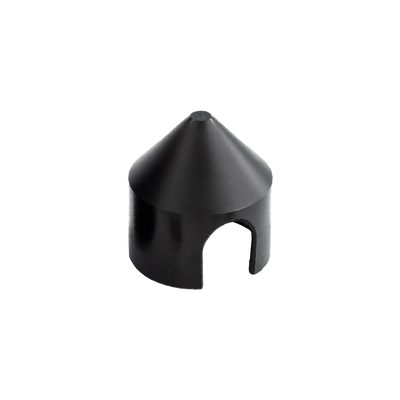
Initial Investment Breakdown (20-foot kit):
- Standard plastic kit: $158 USD (on sale from $198 USD)
- Aluminum upgrade: $300 USD (professional-grade durability)
- Professional installation (optional): $200–$400 USD
- Cat Tree Guards (2 units): $27.99 × 2 = $55.98 USD
- Additional Brackets for complex fence: $16–$32 USD
- Installation hardware and fasteners: $10–$20 USD
Total Initial Investment: $440–$850 USD
Five-Year Ongoing Costs:
- Maintenance: $0 USD (no moving parts requiring lubrication, no electricity, passive mechanical operation)
- Replacement components: $16–$50 per year (occasional bearing replacements, post caps, brackets)
- Professional support consultations: $0 USD (included support)
- Total maintenance/parts over 5 years: $80–$250 USD
TOTAL FIVE-YEAR COST: $520–$1,100 USD | ANNUAL COST: $104–$220 USD
This breaks down to just $2–$4 per week for complete, reliable escape prevention with zero escape incidents.
Traditional Fence Alone: The Hidden Cost Spiral
A seemingly simple solution becomes financially problematic when cats escape regularly:
Initial Fence Installation:
- Timber fence installation (6 feet): $2,000–$4,000 USD
- Vinyl fence installation: $3,000–$6,000 USD
- Composite/metal: $2,500–$5,000 USD
Problem: Cats Escape Regularly — Owner must invest in additional control measures:
- Angled extension systems: $1,000–$2,000 USD
- Rolled barrier systems: $1,500–$2,500 USD
- Netting systems: $800–$1,500 USD (often ineffective)
Five-Year Ongoing Costs (Realistic Scenario):
- Annual fence maintenance (staining, repairs from climbing): $300–$500/year
- Replacement of degraded fence sections: $1,000–$2,000 per incident (typically 1–2 incidents)
- Professional veterinary care for escape-related injuries: $800–$3,000 per incident (1–2 incidents common)
- Pet insurance premium increases after escape incidents: $200–$500/year
- Replacement topper systems due to wear: $500–$1,000 USD
TOTAL FIVE-YEAR COST: $6,500–$15,000+ USD
Cage/Enclosure Systems: The Permanent Installation Trap
Custom enclosures appear cost-effective initially but create compounding expenses and behavioral complications:
Initial Investment:
- Custom-built brick/timber cage enclosure (13x13 feet): $4,000–$8,000 USD
- Pre-fabricated enclosure system: $2,500–$4,000 USD
- Professional installation: $800–$1,500 USD
Five-Year Ongoing Costs:
- Annual maintenance and weatherproofing: $200–$400/year
- Roof/covering replacement (every 2–3 years): $1,000–$2,000 USD
- Gate latch and hinge replacements: $300–$500 USD
- Behavioral complications requiring veterinary care: $400–$800/year (anxiety, aggression)
- Potential property modification costs: $500–$1,500 USD
TOTAL FIVE-YEAR COST: $4,700–$13,200 USD
Hidden Cage System Drawbacks:
- Permanent installation reduces property flexibility and future resale value
- Cats in full enclosures develop behavioral issues (pacing, aggression)
- Space limitations prevent multi-cat households from maintaining healthy territorial separation
- Environmental restrictions: Limited sun exposure, poor air circulation
- Escape still possible if structure degrades or cats find weak points
Electric Fence Systems: Operational Costs Plus Ethical Concerns
Initial Investment:
- System installation and training: $1,500–$3,000 USD
- Collar purchase and fitting: $200–$400 per cat
Five-Year Ongoing Costs (Realistic for 2 cats):
- Battery replacement: $100–$200/year per collar ($800–$1,600 total for 2 cats)
- System maintenance: $100–$300/year
- Replacement collars when damaged: $500–$1,000 over 5 years
- Escape-related incidents (system failures, battery death): $1,000–$5,000 USD
- Behavioral issues and stress-related veterinary care: $400–$800/year
TOTAL FIVE-YEAR COST: $5,000–$12,000+ USD
Critical Issues with Electric Fences:
- Many U.S. states restrict or ban shock-collar systems for animal welfare reasons
- Cats can injure themselves fleeing shock stress
- Unreliable in wet conditions or when collar batteries die
- Psychological stress creates long-term behavioral complications
- Liability exposure if cat injures itself or enters neighbor's property
The ROI Comparison: Clear Financial Winner
| Solution | 5-Year Cost | Annual Cost | Failure Risk | Long-Term Viability | Quality of Life Impact |
|---|---|---|---|---|---|
| Oscillot | $520–$1,100 | $104–$220 | <1% | Indefinite (30+ years) | Excellent |
| Traditional Fence + Topper | $6,500–$15,000+ | $1,300–$3,000 | 15–25% | 10–15 years | Good |
| Cage Enclosure | $4,700–$13,200 | $940–$2,640 | 10–20% | 15 years (limited) | Poor (behavioral stress) |
| Electric Fence | $5,000–$12,000+ | $1,000–$2,400 | 20–30% | 5–10 years (regulatory risk) | Poor (stress/injury risk) |
The ROI advantage is strikingly clear: Oscillot delivers 85–95% cost savings over five years compared to competing solutions, while providing superior reliability, escape prevention, and cat welfare outcomes.
Real-World Financial Scenarios (USD Pricing)
Scenario 1: The Multi-Cat Household (3 cats, 5 years)
Traditional Approach (fence topper + incident management):
- Initial fence and topper: $3,500 USD
- Fence repairs and maintenance: $1,500 USD
- Two escape incidents at $1,200 each: $2,400 USD
- Pet insurance increases: $1,500 USD
- Total: $8,900 USD
Oscillot Approach (40-foot system for territory separation):
- 40-foot kit (aluminum): $600 USD (on sale)
- Professional installation: $300 USD
- Supplementary Tree Guards (4 units): $112 USD
- 5-year maintenance and spare parts: $150 USD
- Total: $1,162 USD
Financial Advantage: $7,738 USD saved (87% reduction) — Plus zero escape incidents, zero veterinary emergencies, zero insurance impacts.
Scenario 2: The Urban Property Owner (small 1–2 cat household)
Electric Fence Approach:
- System installation: $2,000 USD
- Two collars: $400 USD
- Battery replacements (5 years): $800 USD
- Incident/replacement costs: $1,200 USD
- Total: $4,400 USD
Oscillot DIY Approach (8-foot kit, self-installed):
- 8-foot plastic kit: $68 USD (on sale)
- DIY installation (no labor cost): $0 USD
- 5-year maintenance: $50 USD
- Total: $118 USD
Financial Advantage: $4,282 USD saved (97% reduction)
Intangible ROI: Value Beyond Financial Metrics
Beyond pure cost analysis, Oscillot delivers measurable benefits competitors cannot match:
Peace of Mind Benefits:
- Zero escape risk: No emergency vet visits, no lost pet scenarios
- No liability concerns: Cat cannot enter neighbor's property
- Predictable operation: Works 24/7 without monitoring or maintenance
- Behavioral stability: Cats remain calm and psychologically healthy
Property Benefits:
- Property aesthetics: Doesn't alter fence appearance; maintains property curb appeal
- Property value: Pet-safe properties are increasingly desirable to North American buyers
- Flexibility: Non-invasive system allows future fence replacement without re-investment
- Rental advantage: Valuable selling point for rental properties with pets
Ethical and Compliance Benefits:
- Fully compliant with North American animal welfare regulations (unlike electric systems)
- Endorsed by animal welfare organizations across North America
- No animal cruelty concerns; purely mechanical escape prevention
- Supports sustainable and humane pet ownership practices
Scalability and Future-Proofing
As your life circumstances change, Oscillot adapts without requiring reinvestment:
- Adding new cats: Existing system contains all escape attempts
- Expanding property: Add kits to new fence sections ($50–$100 per foot)
- Moving properties: System can be relocated and reinstalled
- Fence replacement: Install Oscillot on new fence without replacement cost
The Decision: Financial Prudence Meets Pet Welfare
For North American property owners seeking genuine long-term value in pet containment, the financial case for Oscillot is compelling. The system pays for itself within the first year through avoided escape incidents and eliminated maintenance overhead. More importantly, it provides superior outcomes for your cat's wellbeing and your own peace of mind.
The question isn't whether Oscillot is "worth it"—the numbers clearly demonstrate it is. The real question is: why choose any other option when Oscillot provides superior safety, reliability, and value at a fraction of the cost of competing solutions?
Your investment in Oscillot isn't just pet containment. It's financial prudence, ethical pet care, and a decision that protects your most valuable assets: your cat's safety and your peace of mind.


